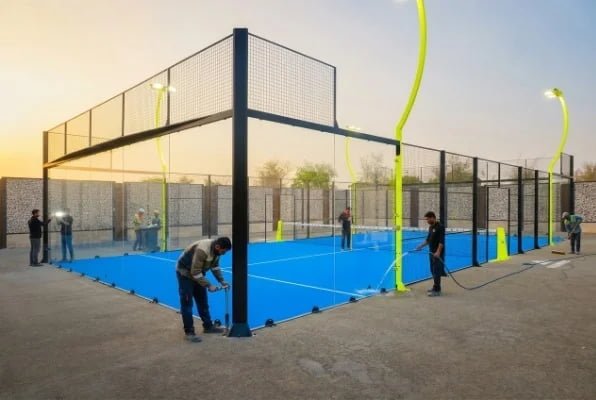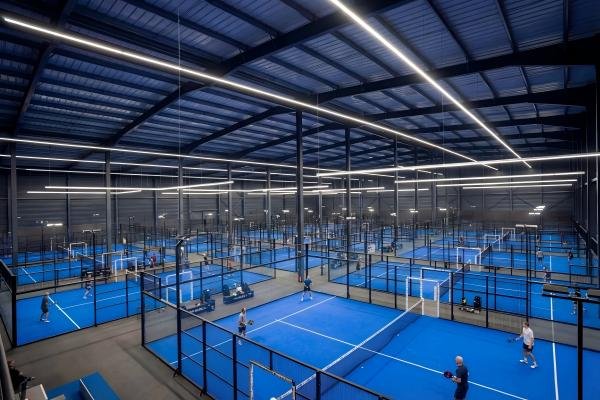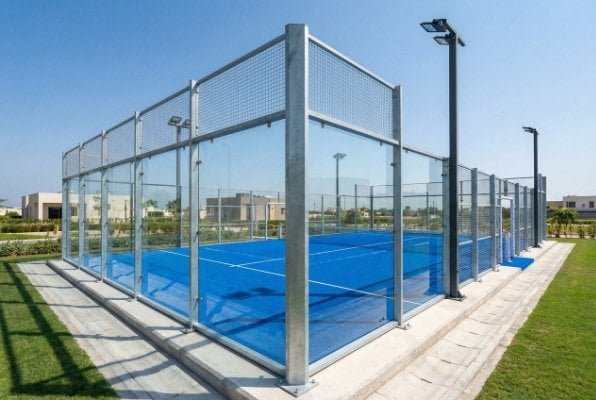
Rooftops sit empty while real estate costs rise. You miss profit opportunities daily. Here is the engineering blueprint to turn unused space into a premium Padel destination.
Transforming a rooftop requires structural load analysis for 7-ton courts, wind resistance checks, and specialized logistics. You gain cheaper rent, unique city views, and high-end marketing appeal. Choose reinforced Panoramic or Classic models to ensure safety against high winds while maximizing the visual experience.
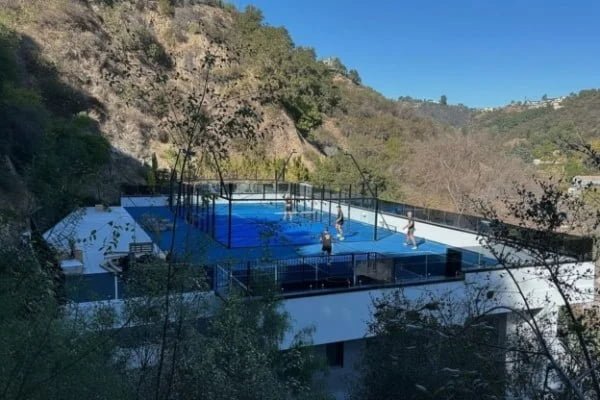
Many clients ask me about using their building tops. I will explain the exact steps and benefits below.
Why Choose a Rooftop Location? The Strategic Advantages for Padel Clubs?
Finding ground-level land is hard and expensive. Your competitors fight for the same spots. Why not look up to solve your space and cost problems?
Rooftop locations offer lower rental costs and utilize wasted vertical space. They provide stunning skyline views that drive social media marketing. This differentiation attracts high-end members who pay premium rates for an exclusive, scenic sporting experience.
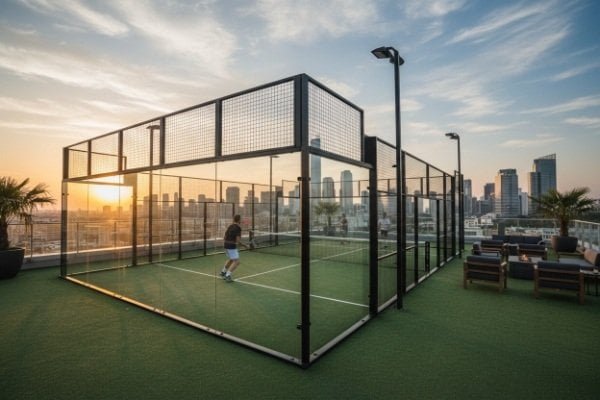
I often talk to club owners who struggle with rent. In busy cities, ground-floor space is premium. Rooftops are often "dead space." Landlords are usually happy to rent these areas cheaply. This gives you a huge advantage in your monthly operating costs. If your rent is lower, your profit margin is higher immediately.
From a marketing side, nothing beats a sunset photo on a rooftop court. It creates an "Instagrammable" moment. This is free advertising for your club. Players will post videos of the game with the city lights in the background. This attracts more people than a closed indoor warehouse.
We also need to talk about height. Padel needs 8 meters of clear height for a good game. Indoors, this is hard to find or very expensive. Outdoors on a roof, the sky is the limit. You have no restrictions on lob shots.
Here is a simple comparison I use with my clients:
| Feature | Ground Level / Indoor | Rooftop Location |
|---|---|---|
| Rental Cost | High | Low / Moderate |
| Ceiling Height | Often Restricted (<8m) | Unlimited |
| Visual Appeal | Standard | Premium / Exclusive |
| Marketing Value | Low | High (Viral potential) |
The "Exclusive" feel is real. It feels like a VIP club. This allows you to charge higher membership fees. At QHPADEL, we see this trend growing in dense cities. It turns a sport into a luxury experience.
What Structural and Safety Factors Must You Consider Before Installation?
A rooftop collapse or accident destroys your business reputation instantly. Ignoring engineering limits is dangerous. You must prioritize structural safety before ordering your courts.
Before installation, verify the building can support approximately 7 tons per court. You must calculate wind loads, especially for glass walls reaching 3-4 meters. Ensure secure fastening into the concrete slab and plan for crane logistics to lift materials safely to the top.
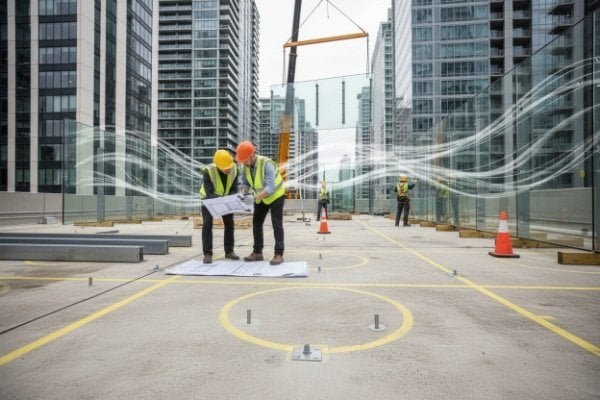
I am an engineer first. Safety is my top priority. A standard Padel court weighs about 7 tons. That includes the steel frame, the glass panels, the turf, and the sand infill. Your building engineer must sign off on this load. You cannot guess this number. The slab must hold this dead load plus the live load of players running.
Wind is the biggest enemy on a roof. Ground wind might be 10 km/h, but roof wind can hit 40 km/h or more. The glass walls act like a sail. If the structure is weak, the glass will break or the fence will bend. We perform wind load calculations for every project. We might need to add extra support beams.
You must also consider the fixing points. On the ground, we drill deep. On a roof, we cannot drill through the waterproofing layer. This causes leaks. We often use a special steel sub-frame or chemical anchors that do not penetrate too deep.
Logistics is the final hurdle. How do we get 3-meter glass panels up 20 floors? Elevators are usually too small. You need a crane. You must plan the "path" of materials from the truck to the roof. I remember a project where we had to block a street to use a large crane. You must budget for this.
Key Technical Checklist:
- Load Bearing: Can the roof hold 400-500kg per square meter?
- Wind Speed: Is the area prone to typhoons or high gusts?
- Waterproofing: Will the installation damage the roof surface?
- Access: Can technicians reach the area for future maintenance?
Which Reinforced Padel Court Model Is Best Suited for High-Wind Rooftops?
Standard courts might fail under high-altitude wind pressure. Replacing broken glass is costly and slow. You need specific models designed for harsh, exposed environments.
For rooftops, I recommend the Panoramic model for views or the Classic model for extreme durability. The Panoramic uses 12mm glass and reinforced corners for elegance. The Classic features double pillars and robust steel frames, making it the safest choice for areas with very strong winds.
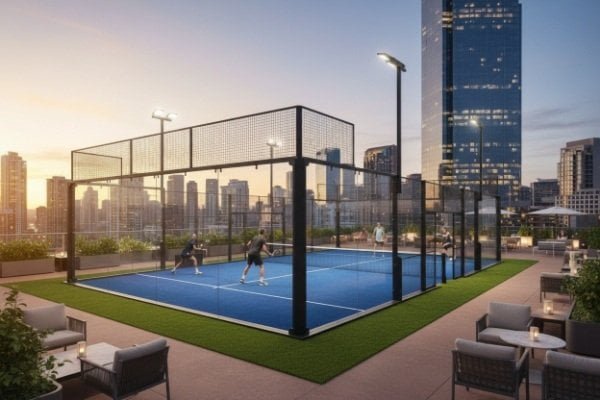
When you are 20 floors up, you want a view. The Panoramic Model is perfect here. It has no corner pillars at the back. It looks clean and offers unparalleled visibility. At QHPADEL, we use top-grade CE-certified materials. This ensures the glass holds even without the corner steel. We use thicker 12mm glass for these models on rooftops to ensure stiffness against the wind.
However, if you are in a typhoon zone or a very windy coastal city, choose the Classic Model. It has steel frames around every glass panel. It is not as "open" looking, but it is a tank. It survives everything. The frames hold the glass on all four sides. This prevents vibration and breakage.
For high-altitude installations, we upgrade the specifications.
Recommended Specs for Rooftops:
- Glass: Must be tempered 12mm. Standard 10mm is too risky for high winds.
- Steel Profile: We increase the thickness to 3mm for main pillars.
- Surface Treatment: Galvanized steel is a must. Rain and sun are stronger on the roof. Rust happens faster if the quality is poor.
- Screws: Stainless steel 304 or 316. Normal screws will rust and stain your court.
I always tell clients: Do not save money on the steel thickness for a rooftop. It is the skeleton of your safety. If you choose the Panoramic model, ensure the bottom anchoring is doubled. We also add extra wind-bracing bars at the top of the mesh in some cases. This stops the fence from shaking during storms.
What Business ROI and Property Value Will You Achieve from a Rooftop Court?
Leaving a roof empty is losing money every month. Maintenance costs exist regardless of use. Converting this space creates a new, powerful revenue stream.
Rooftop courts generate revenue through hourly rentals, events, and coaching. They increase total property value by adding a premium amenity. With low initial rent and high user demand for scenic locations, the Return on Investment (ROI) is often faster than traditional indoor clubs.
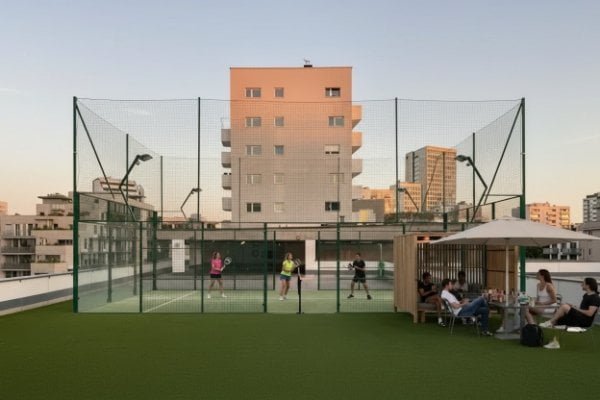
Let’s look at the numbers. A rooftop court is not just for sport. It is an event space. Companies love to rent rooftops for parties. You can charge double the normal court rate for corporate team-building events. The view adds value that a normal court cannot match.
Revenue Breakdown:
- Daytime: Standard play rates.
- Evening: Premium "sunset slots." These sell out first.
- Weekends: Tournaments and social mixers.
Real estate owners also benefit. A building with a Padel court is "modern" and "healthy." It attracts better office tenants or apartment buyers below. It becomes a facility for the whole building. This raises the property value.
I helped a client in Southeast Asia. He built a bar and lounge next to the rooftop court. His food and drink sales matched his court rental income. This is the "One-stop" success we aim for. You maximize every square meter.
The ROI calculation usually looks good because the construction cost is similar to the ground, but the land cost is zero or very low. You only pay for the court and installation.
Simple ROI Example:
If a court costs $25,000 to install (including logistics) and you rent it for $40/hour.
- 4 hours/day = $160/day.
- 300 days/year = $48,000 revenue.
- You pay back the investment in roughly 6-8 months.
This is why investors love this model. It turns a static roof into a cash machine.
Conclusion
Rooftop Padel courts offer low rent, high visibility, and premium branding. With proper structural engineering and the right reinforced models, you turn empty space into a highly profitable asset.