You keep hearing about Padel, but you do not know where to start. You are worried about looking like a beginner or buying the wrong gear. This guide clears up the confusion so you can hit the court with confidence.
Padel is a mix of tennis and squash played on a 10×20 meter enclosed court. You need a perforated racket and specific balls. The court uses artificial turf with sand infill to control ball speed. Whether you want to play or invest, understanding the rules and the structure is key to safety and fun.
I remember my first time walking onto a Padel court. I was holding a tennis racket and wearing running shoes. I felt out of place. But once I understood the basics, everything clicked. I do not want you to feel that confusion. Keep reading.
What Are the Basic Rules of Padel and How Do They Differ from Tennis?
Tennis players often feel frustrated when they first try Padel. The walls change the strategy completely. You need to know these key differences to win your first match.
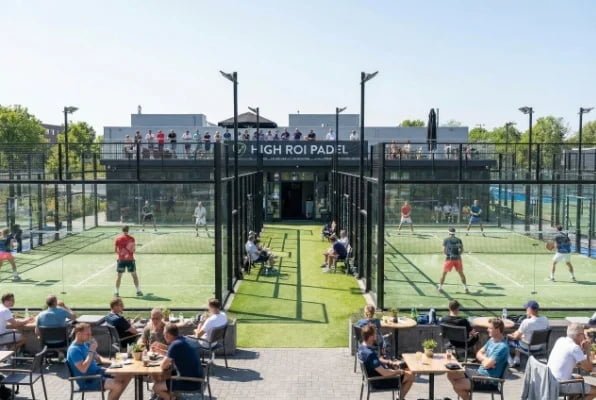
The main difference is the walls. In Padel, the ball can bounce off the glass walls and remain in play. The court is smaller than a tennis court, and you must serve underhand. It is a social game, almost always played as doubles.
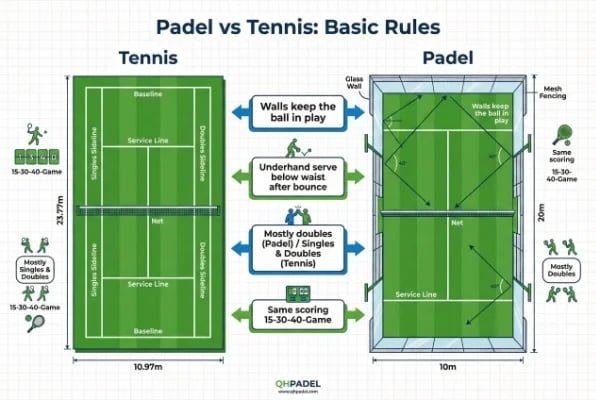
I have spent years in the industry, and I see many people confuse Padel with tennis. Let me break it down for you. A standard Padel court is 10 meters wide and 20 meters long. A tennis court is much larger. In fact, you can fit nearly three Padel courts into the space of one tennis court. This makes the game faster and more intense.
The walls are your friends in Padel. In tennis, if the ball passes you, the point is over. In Padel, the ball hits the glass and comes back. You get a second chance. This makes the rallies last longer. The scoring system is the same as tennis (15, 30, 40, Game). But the serve is different. You must bounce the ball and hit it below waist height.
I also love the social side. Padel is a four-player game. It is easier to learn than tennis or other racket sports. You do not need to be a super athlete to enjoy it. I have seen people of all ages play together. The smaller court means less running, but more thinking. You have to use the angles.
| Feature | Tennis | Padel |
|---|---|---|
| Court Size | Larger (23.77 x 10.97m) | Smaller (20 x 10m) |
| Walls | No | Yes (Glass and Mesh) |
| Serve | Overhead allowed | Underhand only |
| Players | Singles or Doubles | Typically Doubles |
What Essential Equipment Do I Need to Start, and How Does the Court Surface Affect My Game?
Buying the wrong equipment is a waste of money. A bad court surface can ruin your experience. You need to know exactly what to look for before you play.
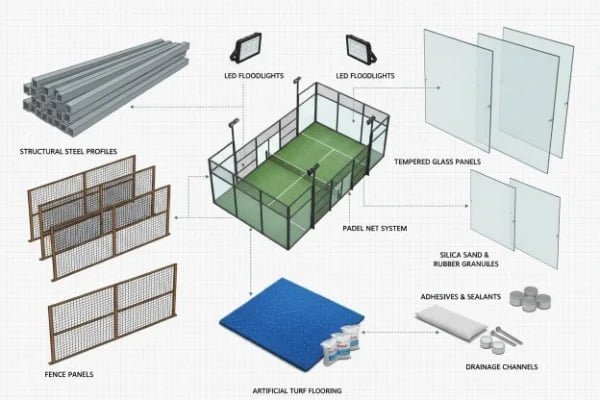
You need a solid, perforated paddle without strings. But the court surface matters even more. Most courts use artificial turf filled with sand. The amount of sand changes the ball speed. High-density turf uses less sand and makes the game faster.
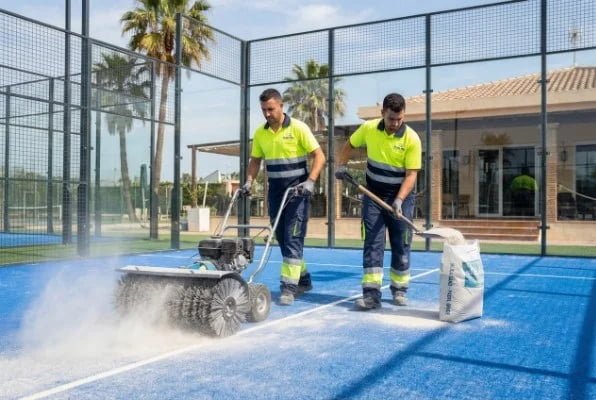
I am an artificial turf engineer by trade. I can tell you that the floor you walk on is the most important part of the game. Currently, almost 99.9% of padel courts use artificial turf with sand infill. But not all turf is the same.
The speed of the game depends on the turf density and the sand. Here is the rule I follow: the higher the dtex (weight of the fiber) and density, the less sand is needed. This results in faster ball speed. Conversely, lower density turf requires more sand. This creates more friction and leads to slower ball speed.
In my experience with QHPADEL, over 90% of our customers choose moderate parameters. They usually pick a 12mm pile height with a density of 52,500 turfs per square meter. They use 9000 dtex fibers. This setup requires about 6-8 kg of silica sand (0.5-1mm grain size) per square meter.
You also need to look at durability. The turf has to withstand foot traffic for 5 to 10 years. I always recommend turf with a PU backing adhesive. It holds the fibers stronger than other glues. It is also water-resistant. When you choose your gear, check the court quality too. A good court helps you play better.
Why Is the Padel Court Structure (Glass and Mesh) Crucial for a Beginner’s Safety?
Injuries can happen if the court is poorly built. The idea of glass breaking near you is scary. You must prioritize structural safety to enjoy the game without fear.
The glass and mesh keep the ball inside, but they also protect you. High-quality tempered glass resists heavy impacts. A strong steel frame prevents the structure from collapsing in the wind. This ensures you are safe even during intense play.
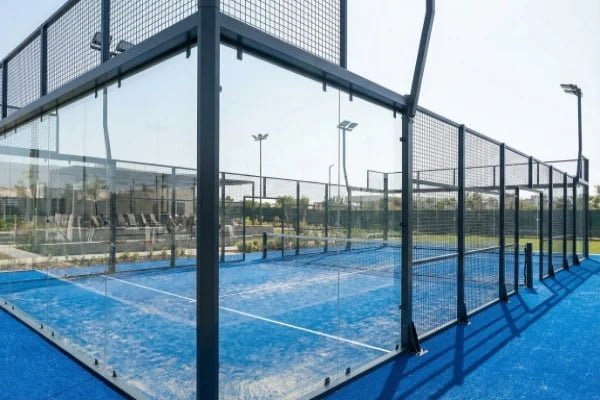
Safety is my top priority when I help clients build courts. The court is like a cage. You run into the walls. The ball hits the mesh. Everything must be strong.
First, let’s talk about the glass. It is integral to the game. The glass must meet strict standards like EN12150-2:2004. It needs an impact resistance of at least 300 kg. If a player crashes into the glass, it must not shatter into sharp pieces. Choosing high-quality glass prevents severe injuries from collisions.
Next is the steel structure. I have seen courts rust near the ocean. That is dangerous. A zinc-rich epoxy primer is essential. It uses "sacrificial zinc powder" to stop rust before it starts. This keeps the frame strong against wind and salt.
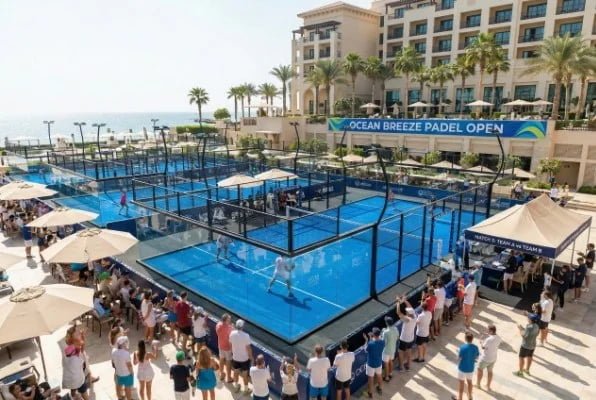
There are different court styles for different needs. The "Classic" court has a double-column system. It is very robust and great for windy areas. The "Panoramic" court has fewer columns for a better view. It is the most popular, making up 50% of sales. The "Ultra Panoramic" has no corner columns. It looks amazing, like an aquarium, and is used in pro tournaments. No matter the style, the materials must be top-tier to keep you safe.
Where Can I Play or How Can I Invest in Building a Professional Padel Court?
Finding a court nearby can be frustrating. Building one seems like a huge expense. You can actually find places to play or start a profitable business quite easily.
Players can simply use Google Maps or O2O platforms to find local clubs. Investors can build a court for between $15,000 and $50,000. Importing directly from Chinese manufacturers like QHPADEL offers excellent value and quality.
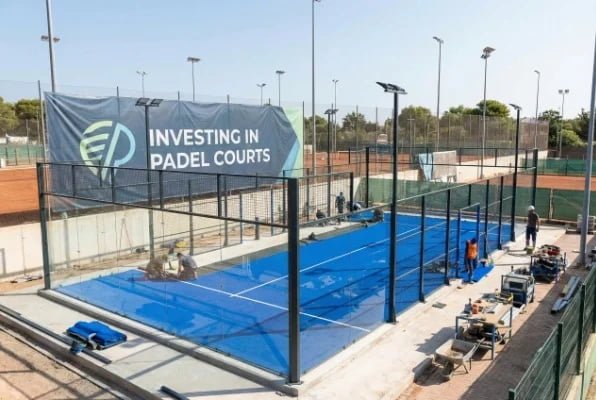
If you are just looking to play, technology makes it easy. I tell amateur players to just use Google Maps or O2O (Online To Offline) apps. You will find clubs popping up everywhere.
But maybe you want to invest. This is a smart move. Padel is booming. A single venue in a place like Indonesia can generate over $29,000 a year just from rentals. Because the courts are smaller, you can fit more courts into a smaller land area compared to tennis. This increases your profit per square meter.
If you decide to build, you need to know the costs. The court structure itself usually costs between $6,500 and $12,000. At QHPADEL, our price range is FOB $6,500 to $9,000 depending on the model. However, the total cost includes ground leveling, installation, and transport. This brings the total to around $15,000 to $50,000 per court.
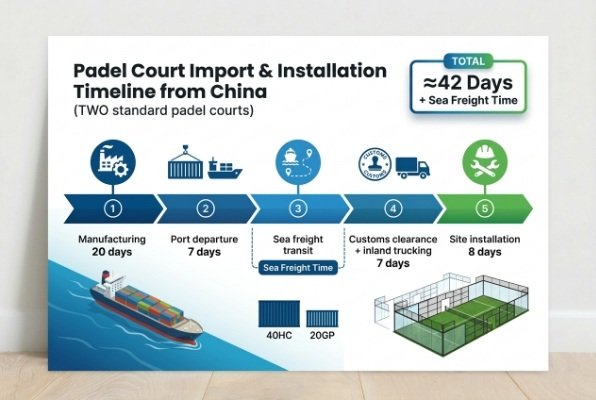
I recommend buying from Chinese manufacturers. We offer high value for money. A good factory provides a one-stop service. This means we handle design, production, shipping, and installation guidance. You do not need to worry about the details. We inspect everything from the factory to the port. Whether you choose the popular Panoramic model or the sturdy Classic model, investing in Padel is a great opportunity.
Conclusion
Padel is easy to learn and fun to play. You need the right racket, ball, and a safe court with proper turf density. Whether you play locally or invest in building courts with QHPADEL, the future of this sport is bright.