Seeing your new white padel lines turn yellow or pink is frustrating. You might worry about quality defects and angry clients, but the real cause is often invisible chemistry.
White padel turf discoloration, or "gas fading," happens when phenolic antioxidants in the polyethylene oxidize. This reaction is often triggered by nitrogen oxides (NOx) from exhaust fumes or improper packaging. Fortunately, exposure to UV sunlight naturally corrects this color shift without damaging the grass.
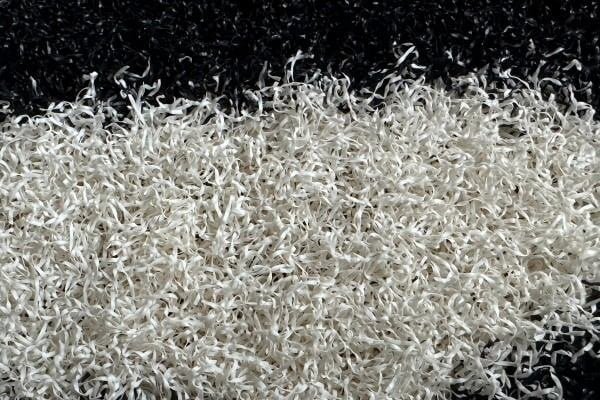
Many buyers panic when they see this color change in their warehouse. They think the supplier cheated them with bad materials. However, understanding the science behind this reaction saves you money and stress. Let us look at exactly why this happens and how you can fix it easily.
What Causes White Padel Turf Lines to Turn Yellow, Pink, or Tan?
You open a roll of turf, and the white lines look old or stained. This unexpected color shift creates panic before a big installation project begins.
The discoloration results from the oxidation of phenolic antioxidants added to the turf fiber. Pollutants like nitrogen oxides (NOx) from forklifts or heaters react with these stabilizers, causing yellowing, pinking, or gas fading, even though the physical quality remains strong.
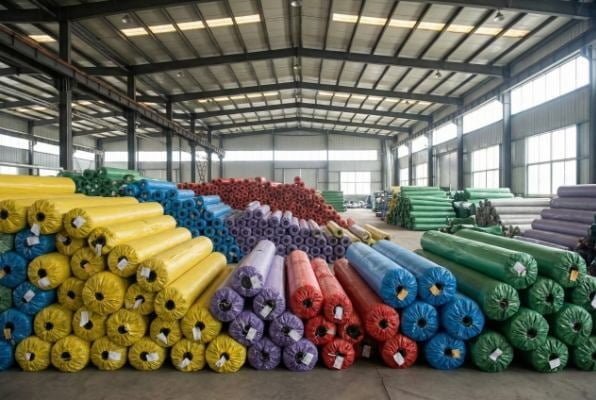
I have worked in turf factories for years. I once saw a perfect batch of white lines turn pink just because it sat near a loading dock too long. This is not a sign of cheap plastic. It is actually a sign of complex polymer chemistry at work. To understand this, we need to look at what goes into the grass fibers.
The Role of Phenolic Antioxidants
Manufacturers add phenolic antioxidants to polyethylene. This is standard in the industry. These additives stabilize the polymer. They protect the grass during the high heat of production. They also help the grass survive later during use. Without them, the turf would degrade quickly. However, these antioxidants are sensitive. Over time, they react with the air. This oxidation causes the color change.
The Impact of Nitrogen Oxides (NOx)
The biggest enemy of white turf in storage is NOx. This is a gas found in exhaust fumes. If your warehouse uses propane forklifts, or if you store the turf near heaters, NOx levels rise. The gas penetrates the packaging. It reacts with the antioxidants on the fiber surface. We call this "gas fading."
It Is Only Skin Deep
You must know one important fact. This change only affects the appearance. It does not affect the physical properties of the material. The turf is still strong. The pile height and density are fine. It is purely cosmetic.
Here is a breakdown of the common culprits:
| Cause | Source | Effect |
|---|---|---|
| Vehicle Exhaust | Trucks, forklifts, shipping vessels | High NOx causing rapid pinking or yellowing. |
| Heating Systems | Warehouse gas heaters | Constant low-level exposure leading to tan hues. |
| Packaging | Improper wrapping materials | Traps gases inside with the turf roll. |
How to Fix Discolored Padel Grass and Prevent Future Yellowing?
Replacing the turf seems like the only option, but that costs time and money. Do not throw away good turf because of a temporary cosmetic issue.
The most effective solution is exposing the discolored turf to UV light. Sunlight breaks down the oxidized antioxidants, restoring the bright white color. For indoor courts, sun-cure the lines outside before installation to ensure they look perfect for your clients.
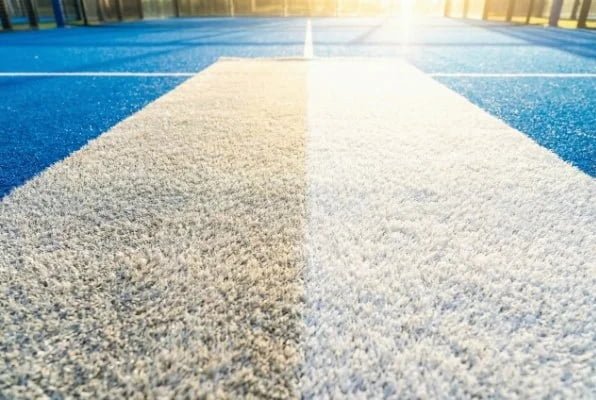
I have helped many clients solve this onsite. You do not need expensive chemicals. You do not need to file a claim immediately. You just need the sun. The ultraviolet light acts as a natural bleach for this specific chemical reaction. It breaks down the oxidized phenolic antioxidants. Once they break down, the yellow or pink hue vanishes. The turf returns to its original white color.
Outdoor Installation Strategy
If you are building an outdoor padel court, you are lucky. You can simply install the white lines. The discoloration might look bad during the installation. But after a few hours or days of direct sunlight, the problem fixes itself. The UV light does the work for you. Just tell your client that the white color will brighten up quickly.
Indoor Installation Strategy
Indoor courts are harder. The turf will not get enough UV light inside a building to reverse the reaction. You must treat the turf before you glue it down.
- Unroll the white lines outside. Find a clean, sunny spot.
- Let them sit. Leave them in the sun for a few hours.
- Check the color. Once they are bright white, move them inside.
- Install. Now you can cut and glue them without worry.
Prevention and Maintenance
You can also prevent this in your warehouse. Ensure good ventilation. Do not leave electric or gas heaters running right next to the turf rolls. Also, regular cleaning after installation helps. Dirt acts differently than gas fading, but it makes the lines look bad too.
Here is a simple checklist for handling white turf:
| Action Phase | Task | Goal |
|---|---|---|
| Storage | Keep away from exhaust and heaters. | Minimize NOx exposure. |
| Pre-Installation | Inspect color upon opening. | Identify gas fading early. |
| Correction | Expose to direct sunlight. | UV light restores white color. |
| Maintenance | Regular brushing and washing. | Prevents contaminant buildup. |
At QHPADEL, we monitor our production environment strictly. We try to minimize exposure before shipping. But if it happens during transit or storage, remember the power of the sun.
Conclusion
Discoloration is a chemical reaction, not a quality defect. Use sunlight to restore the white color easily. Trust QHPADEL for honest advice and durable padel materials.