Seaside air destroys steel structures quickly. Are you worried about your padel courts rusting and losing money? The secret to long-lasting durability lies in using epoxy zinc-rich primer.
Epoxy zinc-rich primer provides a powerful barrier against salt and moisture. It uses sacrificial zinc dust to stop rust before it starts. This coating ensures your steel structure withstands humidity and salt spray, significantly extending the lifespan of padel courts built in coastal locations.
I have seen many courts fail because the owners ignored the specific needs of the location. Choosing the right protection is not just an option; it is a necessity. Let me explain the specific details you need to know.
What is zinc rich epoxy primer used for?
Corrosion is a nightmare for coastal projects. Do you know how this primer actually works to save your investment?
Zinc-rich epoxy primer is primarily used as a heavy-duty anti-corrosion coating1. It contains high levels of zinc dust which acts as a sacrificial anode2, protecting the steel beneath it from oxidation caused by salt and water in harsh environments.
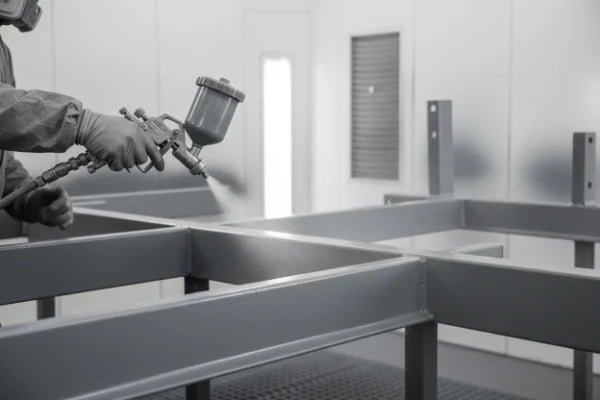
Coastal areas have humidity levels between 70% and 90%. The air contains sodium chloride. This salt sticks to steel surfaces and absorbs water. This process speeds up oxidation and leads to red rust very quickly. Standard paint cannot stop this. I have worked with many engineers who agree that you need a stronger solution. Strong sun and temperature changes can also cause coatings to peel. Once the coating peels, the corrosion starts.
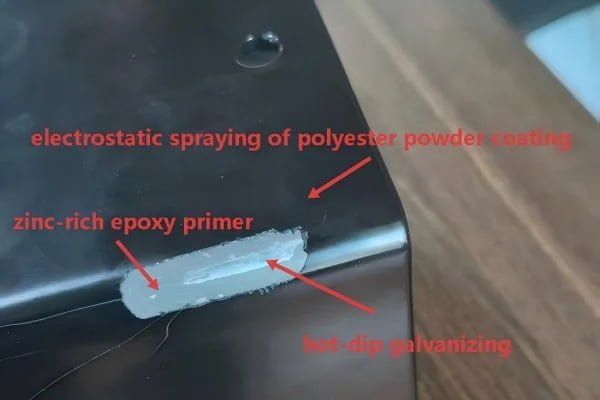
At QHPADEL, we have a specific solution for this. We do not just paint the steel. First, we use hot-dip galvanizing3 on all our courts. Then, specifically for seaside clients, we apply an epoxy zinc-rich primer. Finally, we use Nippon powder coating. We apply a primer coat followed by a topcoat. The total coating thickness is over 100 microns. This ensures scratch resistance and UV resistance. It also keeps the color bright for a long time. This method increases the cost, but it significantly increases durability.
| Layer | Function |
|---|---|
| Hot-dip Galvanizing | Base protection against rust. |
| Epoxy Zinc-Rich Primer | Sacrificial layer to stop salt damage. |
| Nippon Powder Topcoat | UV resistance and aesthetic finish. |
I always tell my clients that spending a little more now saves a lot of money on repairs later. This system protects your profit model by ensuring your courts stay open.
What is the best material for a padel court?
A strong structure is useless if the playing surface is bad. How do you choose the right materials for the best player experience?
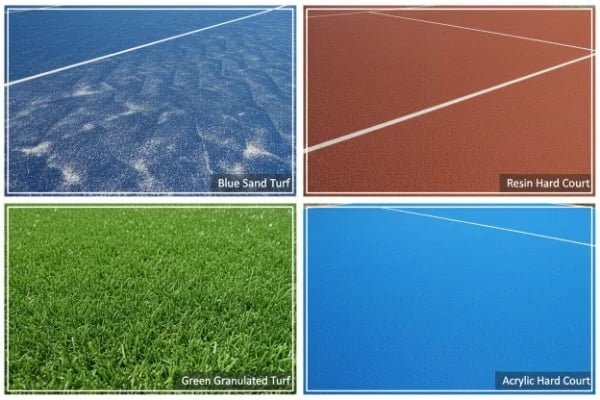
The best material for a padel court surface is artificial turf combined with a quartz sand infill. This combination offers the perfect balance of grip, ball bounce consistency, and durability, while protecting players from injury and fatigue during long matches.
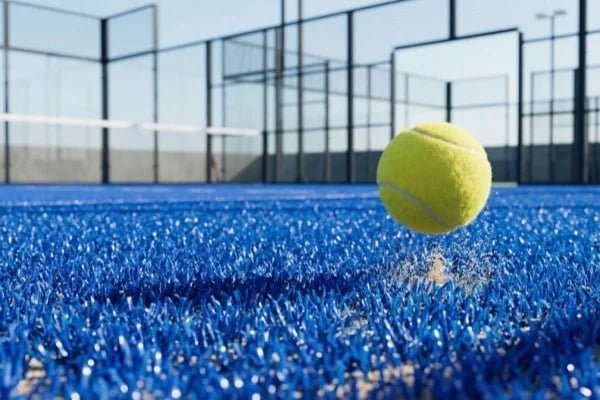
When clients ask me about materials, I always suggest artificial turf. It is the industry standard for a reason. Specifically, high-denier crimped texture yarn is the top choice. This type of grass stands up straight and provides excellent resilience. It does not flatten easily like older styles of turf. Good material reduces player fatigue because it absorbs shock. It also gives good grip so players do not slip.
I recommend using turf with quartz sand infill. This combination is durable. It handles the heavy foot traffic of a busy club. In my experience, cheap materials fail within two years. Quality turf lasts much longer. You want a material that looks good and plays well. If the court is good, players will return. If the court is bad, they will go to your competitor.
Here is why high-denier crimped yarn is superior:
- Resilience: The fibers return to their upright position after being stepped on.
- Aesthetics: It looks fuller and greener for longer.
- Performance: It holds the sand better than straight fibers.
Investing in quality turf prevents you from needing to replace the carpet quickly. This helps you maintain a steady cash flow from your court rentals.
Why do they put sand on padel courts?
You see sand on the court and might think it looks dirty. Do you know why this sand is actually the most important part?
Silica sand is added to padel courts to stabilize the artificial turf fibers and ensure they stay upright. It also provides essential grip for player movements, ensures consistent ball bounce, and protects the grass from wearing out too quickly.
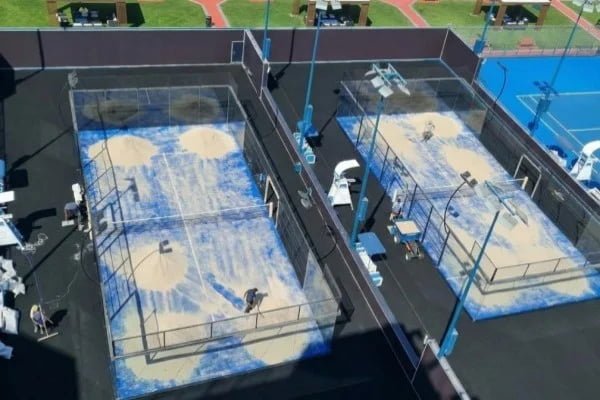
The sand is not just filler. It is a functional part of the system. First, it stabilizes the turf. Without sand, the grass carpet would move when you run. This creates wrinkles and is dangerous. Second, it keeps the fibers standing up. If the fibers lay flat, the ball slides too fast. The sand creates a uniform surface. This controls the ball bounce so the game is fair.
It also distributes friction. When a player pivots, the sand takes the stress, not the grass leaf. This extends the life of the turf. It also helps with drainage. Water flows through the sand layer quickly. I often tell club owners that the correct amount of sand is crucial. Too little sand means slippery grass. Too much sand feels like a beach. You need the right balance.
| Function | Benefit |
|---|---|
| Stability | Keeps the carpet heavy and flat. |
| Protection | Prevents fiber wear from friction. |
| Grip | Allows players to turn quickly safely. |
| Drainage | Allows water to filter through easily. |
In coastal areas, drainage is very important because of the rain. The sand helps the court dry faster so you can rent it out again sooner.
What is the best zinc primer?
There are many brands on the market claiming to be the best. How do you identify the primer that actually delivers results?
The best zinc primer4 is an epoxy-based formula5 that contains a high percentage of zinc dust, typically over 80%. It should have strong adhesion properties, rapid curing times, and be compatible with topcoats like polyester powder coatings to ensure a sealed, long-lasting finish.
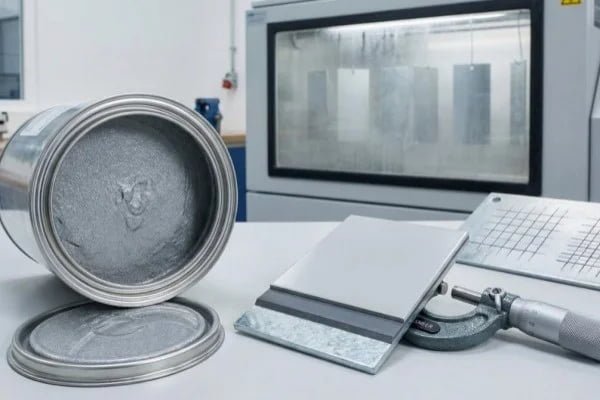
Not all primers are the same. Cheap primers have less zinc. Less zinc means less protection. The best primer must work with the topcoat. I recommend using a system where the primer and the powder coating are compatible. At QHPADEL, we use Nippon powder coating. The primer coat is applied first. Then the topcoat follows. This ensures the layers bond together perfectly.
In coastal areas with high UV and temperature changes, the coating must be flexible. If it is too hard, it cracks. Once it cracks, the salt gets in. The best primer acts as a flexible bridge between the steel and the color layer. It must pass salt spray tests. When you buy, ask for the technical data sheet. Look for the zinc content. Look for the adhesion rating. Do not just trust the sales pitch.
I help my clients check these details during our factory inspections. We ensure the primer meets the strict standards needed for export. If the primer fails, the whole court fails. We treat this step with extreme caution. The best primer is the one that gives you peace of mind.
Conclusion
Building seaside padel courts requires battling salt and humidity. Use hot-dip galvanizing, epoxy zinc-rich primer, and quality turf with sand to ensure your business profits and lasts for years.
-
Learn how anti-corrosion coatings function to protect structures from harsh environmental conditions and prolong their lifespan. ↩
-
Discover the concept of sacrificial anodes and their crucial role in preventing corrosion in metal structures. ↩
-
Find out how hot-dip galvanizing provides a robust base protection against rust and enhances the durability of metal surfaces. ↩
-
Explore this link to understand how zinc primer enhances durability and protection in various applications. ↩
-
Discover the advantages of epoxy-based formulas in primers, including adhesion and flexibility, for superior performance. ↩