You see trendy clubs opening everywhere, but access feels exclusive and expensive. Is Padel just a hype for the wealthy, or is there real value behind the premium price tag?
Padel is considered luxury due to the scarcity of specialized glass-walled courts and the high-end social environment it fosters. While access is affordable in mature markets like Spain, new regions perceive it as exclusive because unique infrastructure limits availability, driving up demand and prestige.
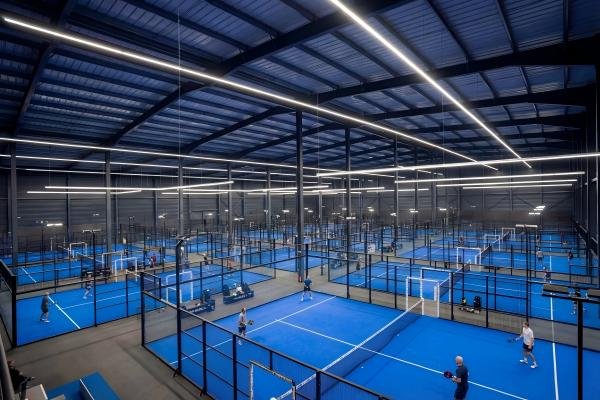
Many people assume this sport is only for the elite because of the sleek aesthetics. However, the reality involves a mix of court mechanics, market maturity, and smart investment. Let’s look at what really drives this "luxury" label.
Why Are Players Willing to Pay Premium Rental Rates for High-End Padel Courts?
You might hesitate at the hourly rate, wondering if it’s worth it. Why do players happily pay more for Padel compared to tennis or pickleball?
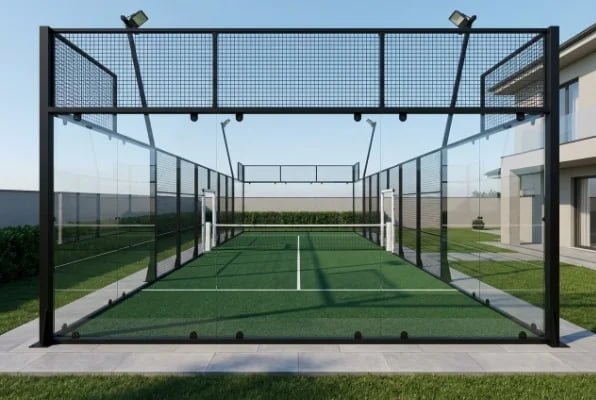
Players pay premiums for the immersive experience. The glass walls create a unique "aquarium" feel, and the social atmosphere allows for networking. It is not just renting a court; it is buying entry into a community that values health and connection.
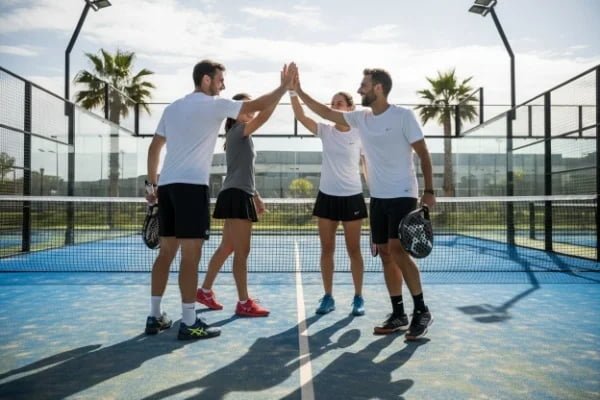
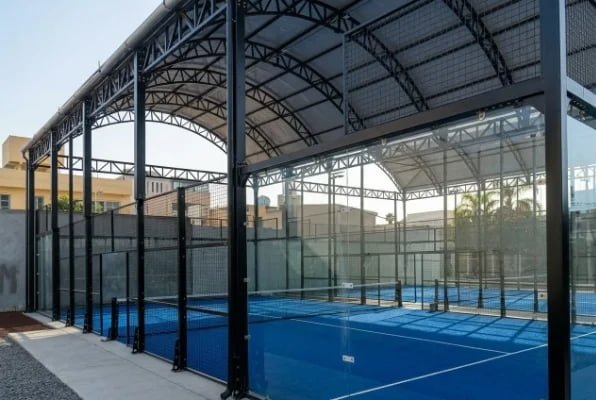
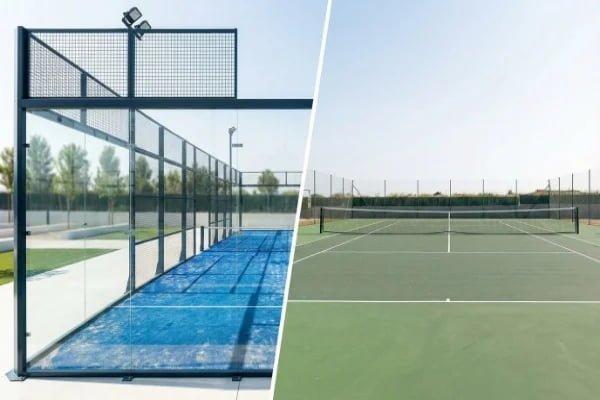
The court environment is just as important as the game itself. When players step onto a high-end court, they are immersing themselves in a comfortable and prestigious atmosphere. This is distinct from a basic concrete tennis court. Padel requires specialized glass-walled courts. In countries where courts are scarce, this uniqueness creates exclusivity. Players are willing to pay for this access because it serves as a social filter. It is a place to network and build relationships.
However, this "luxury" cost varies by region. In established markets like Indonesia or Spain, rates can be very accessible. They charge around $5-7 per person per hour. But in new markets, the scarcity drives the price up. Players accept this because the membership is an invitation to a specific community.
Furthermore, the physical structure adds to the value. A Panoramic or Ultra Panoramic court provides a 360-degree view. This "aquarium effect" makes players feel like they are on a center stage. It elevates a simple workout into a premium event.
| Feature | Impact on Player Perception |
|---|---|
| Glass Walls | Creates a professional, enclosed "arena" feel. |
| Scarcity | Limited courts in new regions increase desire. |
| Social Design | 4 players per small space encourages networking. |
| Community | High fees filter for a dedicated, affluent network. |
Does the Premium Image of Padel Require a High Initial Investment for Club Owners?
You see the glass and steel and imagine a massive bill. Does building a premium club actually require a fortune compared to other sports facilities?
While the initial cost is higher than a simple pickleball court, it is surprisingly manageable. A complete court costs between $15,000 and $50,000 depending on civil work, but you can fit three Padel courts in the space of one tennis court, tripling your revenue potential.
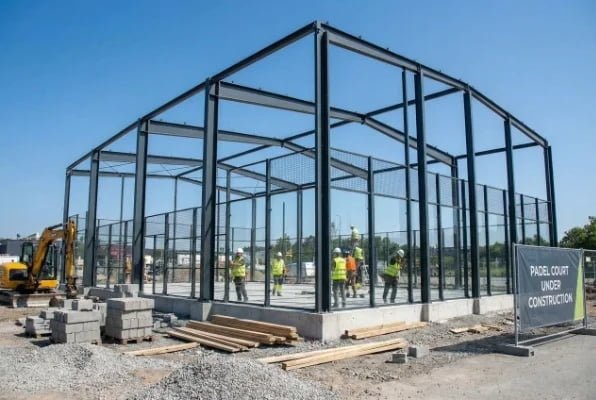
The "luxury" label often scares investors who fear high entry costs. It is true that a Padel court costs more than a pickleball court. A single court kit typically ranges from $6,500 to $12,000 FOB depending on the model. You also have to budget for ground leveling and installation. The total can reach up to $50,000 per court if you include extensive civil work.
However, you must analyze the investment regarding land efficiency. A tennis court requires about 670 square meters including buffer zones. A Padel court only needs about 200 square meters. This means you can build three Padel courts in the footprint of one tennis court. This density is a game-changer for ROI.
At QHPADEL, we see many clients importing directly from China to manage these costs. By choosing the right manufacturer, you get premium materials like 12mm tempered glass and zinc-rich steel structures without the luxury markup. You invest in the infrastructure once, but the revenue potential is triple that of tennis because of the player density and space usage.
- Standard Tennis Court: ~670 sqm -> 2 to 4 players max.
- Padel Solution: ~200 sqm per court -> 3 courts in same space -> 12 players active.
Does Offering a Luxury Padel Experience Require High Operational Costs?
You might fear that maintaining those shiny glass walls and turf is a nightmare. Do luxury looks equate to luxury maintenance bills for the operator?
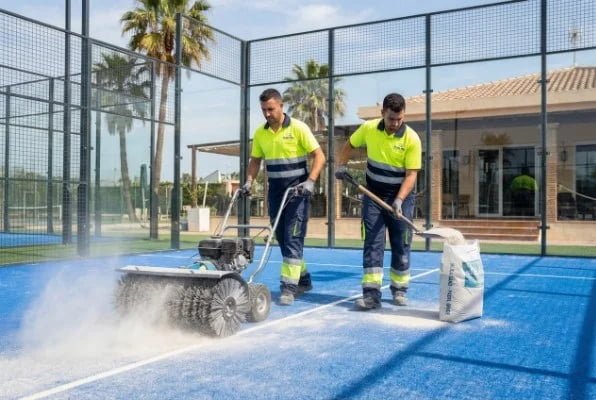
Surprisingly, no. Once built, maintenance is minimal. LED lights last for years, and the main task is simply brushing the silica sand on the turf every few weeks to ensure consistent ball bounce, keeping long-term operational costs very low.
You might think a "luxury" sport requires a large maintenance crew. The reality is quite the opposite. The materials we use are designed for durability and low intervention. The structure uses high-quality steel with zinc-rich epoxy primers to resist rust, even in coastal areas. The LED lighting is IP65 rated, meaning it can run for 5-10 years without you touching it.
The only real operational task involves the artificial turf. The turf is filled with silica sand to support the fibers and allow for sliding. This sand can move around during play. You typically only need to inspect the court every two weeks or once a month. You check for uneven distribution or sand piling up at the edges. You simply brush it back to level it out.
This low maintenance requirement is a massive advantage. You do not need to water it like real grass or resurface it constantly like clay. The 12mm tempered glass is incredibly strong and resistant to impact. So, while the court looks expensive and fragile, it is built like a tank. This allows you to keep your operating expenses low while charging premium rates for the "luxury" experience.
| Maintenance Item | Frequency | Action Required |
|---|---|---|
| Artificial Turf | Every 2-4 weeks | Brush to level silica sand. |
| Glass | As needed | Clean for visibility/aesthetics. |
| LED Lights | Every 5-10 years | Replacement (maintenance-free mostly). |
| Structure | Annually | Visual check for screw tightness. |
How Does the ‘Exclusive’ Status of Padel Translate into ROI for Facility Operators?
You want to know if the "exclusive" label actually makes money. Does this high-end positioning result in a faster return on investment for you?
The exclusive status drives high occupancy and diverse revenue. With 4 players per court and potential 80% occupancy, daily revenue is significant. Add in sponsorships, F&B, and tournaments, and the ROI often outperforms traditional sports venues significantly.
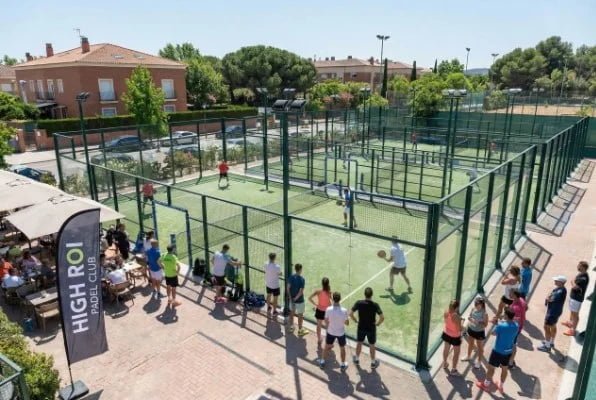
The "exclusive" status of Padel is a powerful tool for ROI. Because the sport is social, you always have four players per court. This quadruples your user base compared to singles tennis. In established centers, occupancy rates can hit 80%. Let’s do the math based on a standard scenario.
If you charge $5-7 per person per hour, and a court is active for 5 hours a day, that single court generates substantial daily cash flow. Over a year, one court can bring in between $29,200 and $40,880. That is just from rentals.
The "luxury" image opens doors for other income streams. High-end members buy equipment, pay for coaching, and spend money at your cafe. Furthermore, the glass walls are perfect for corporate sponsorships. Brands want to be associated with this premium lifestyle. You can sell advertising space on the court structure itself.
Successful operators do not just rent space. They build a brand culture. They organize tournaments and events that leverage this community feeling. The initial investment might be higher than a basketball hoop, but the return speed is incredibly fast because of the high player density and the premium rates the market accepts.
Revenue Streams for a Luxury Padel Club:
- Court Rentals: High hourly yield (4 players).
- Coaching: Premium rates for lessons.
- Sponsorships: Ads on glass walls and netting.
- Events: Tournaments and social mixers.
- Retail/F&B: Cafe and pro-shop sales.
Conclusion
Padel combines luxury appeal with smart economics. It offers players a prestigious community while providing owners with low maintenance costs, high space efficiency, and multiple revenue streams for success.