You want to build a professional court, but choosing the wrong surface can ruin the game and your budget. Concrete is too hard, and natural grass is too messy to maintain.
Synthetic turf is the superior choice because it offers consistent ball bounce, reduces player injury through shock absorption, and withstands all weather conditions. It provides high durability with minimal maintenance, ensuring your court remains profitable and playable year-round compared to concrete or natural grass options.
I know many of you struggle with this decision. I have seen clients lose money and players because they installed bad surfaces. Let me explain why synthetic turf is the standard for modern Padel and how it helps your business grow.
What Are the Key Benefits of Installing Synthetic Grass on Padel Courts?
Players often complain about slippery floors or hard impacts that hurt their joints. This hurts your club’s reputation fast. You need a surface that keeps players happy and safe.
Synthetic grass provides a stable, soft surface that prevents joint pain and ensures safety through better grip. It offers controlled ball speed and consistent bounce, unlike concrete, making the game fair and enjoyable for both beginners and professionals.
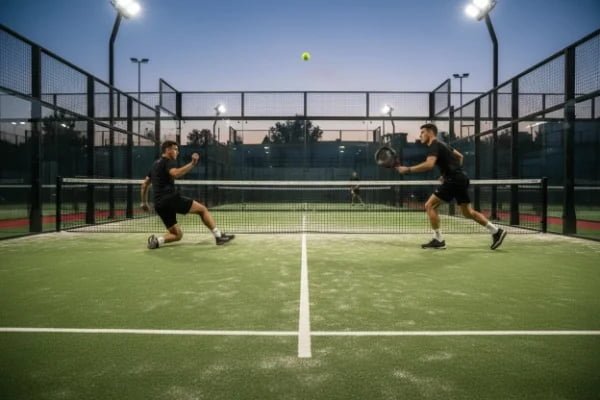
As an engineer who has worked with artificial turf for years, I pay attention to how materials affect the human body. The biggest benefit of synthetic turf is safety. The surface is soft and stable. This significantly reduces the chance of player injuries. I have talked to many club owners who say their older players prefer turf because it stops ankle, back, and knee pain. Comfort keeps people coming back to play more often.
Another key point is the friction. Synthetic turf holds the ball better than concrete. This slows the ball speed slightly. It gives players more time to react. It also provides excellent slip resistance. Players can run and stop quickly without falling. This safety factor is huge for club liability.
Also, we must talk about fairness. The uniformity of the artificial turf surface is perfect. The ball does not exhibit any "unfair" or unpredictable trajectory. On natural grass, a patch of dirt can ruin a shot. On synthetic turf, every bounce is true.
| Feature | Benefit to Player | Benefit to Owner |
|---|---|---|
| Soft Surface | Reduces knee and back pain | Higher player retention |
| High Friction | Prevents slipping and falls | Lower liability risk |
| Uniformity | Predictable ball bounce | Professional reputation |
How Does Synthetic Padel Grass Ensure Durability and Consistent Gameplay?
Replacing a court surface every two years is a nightmare for any business owner. It stops your business operations and drains your bank account. You need a material that lasts.
High-quality synthetic turf uses high-dtex yarns that resist abrasion and UV rays, preventing color fading. This ensures the surface stays uniform for years, providing the same ball trajectory and bounce from day one until the end of its lifespan.
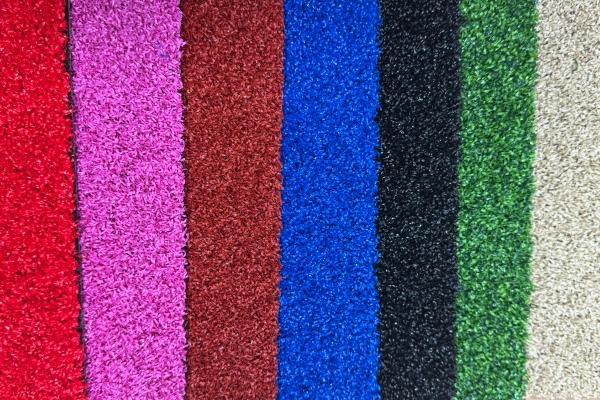
When I inspect factories in China, I always check the UV resistance test reports. This is critical for durability. Artificial turf boasts excellent UV resistance. This means the sun will not destroy the fibers or change their color. You want your blue or green court to look new for years. Long-lasting colorfastness makes your venue look professional.
We also look at the yarn strength. High-dtex yarns offer superior abrasion resistance. Padel is a fast game with lots of running. The turf must handle this traffic. If the yarn is weak, it breaks, and the court becomes uneven.
The weather is another factor. Synthetic turf is suitable for all weather conditions. It handles wind and rain easily. It also withstands extreme hot or cold temperatures. Natural grass dies in winter or burns in summer. Concrete can crack in freezing weather. Synthetic turf ensures year-round accessibility. This maximizes your benefits because you never have to close the court due to surface conditions.
- UV Resistance: Keeps color bright and fiber strong.
- Abrasion Resistance: Handles heavy foot traffic without wearing out.
- All-Weather: perform well in rain, sun, and snow.
Is Synthetic Grass a Cost-Effective Investment for Commercial Padel Venues?
You likely worry about the initial price tag of importing quality materials. Spending too much upfront feels risky for your ROI. But cheap surfaces actually cost more later.
While the initial cost exists, synthetic grass maximizes profits by allowing 24/7 usage in all weather conditions. It eliminates the costs of watering, mowing, and frequent repairs, offering a lifespan of 5 to 10 years with high player retention rates.
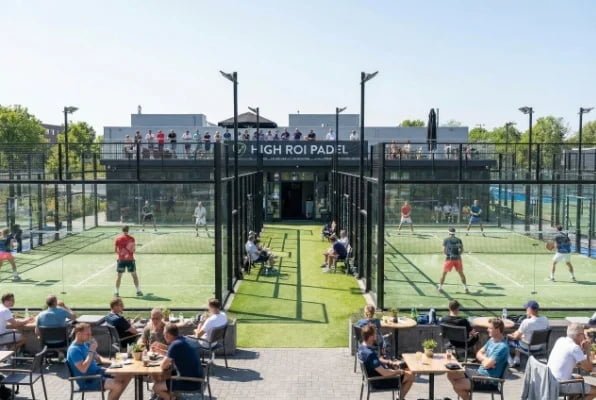
Let’s break down the money. I help clients calculate this all the time. You might pay more to buy quality turf and ship it from our factory. But think about the daily costs. Synthetic turf helps you achieve greater profits because it is always open. If it rains in the morning, the court drains quickly. You can rent it out in the afternoon. With natural grass, you lose that income.
Also, consider the lifespan. A good artificial turf court can typically last for 5 to 10 years. That is a decade of revenue from one investment. You do not need to buy seeds, fertilizers, or water. Water bills alone are huge for natural grass.
At QHPADEL, we believe in worry-free procurement. This means you buy the right thing once. I have seen club owners buy cheap, low-quality turf. It wears out in two years. They have to pay for removal, new turf, and installation again. That destroys profit. Investing in the right synthetic surface now is the smartest financial move.
ROI Factors
- Usage Hours: Playable 365 days a year.
- Maintenance Savings: No water, no chemicals, no mowing staff.
- Longevity: One investment lasts up to 10 years.
How Should You Choose the Right Artificial Grass Specification for Your Project?
Looking at technical specs like Dtex and stitch rate is often confusing. Picking the wrong one means poor performance or wasted money. You need simple guidance.
You should choose based on your budget and usage intensity. We recommend 12mm curly grass in two main types: 9000 Dtex for softer feel and lower budget, or 13500 Dtex for maximum durability and professional PadelFip standard bounce.
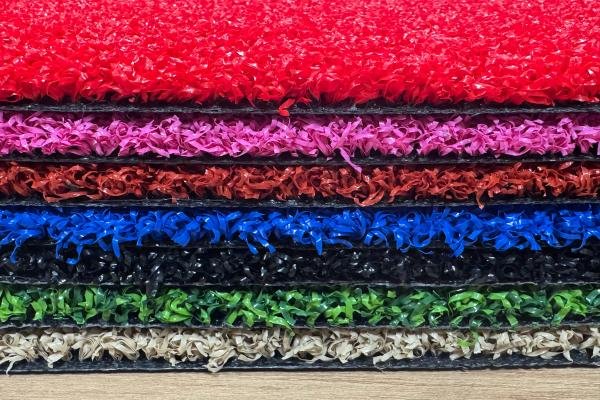
I get asked about specifications every day. At QHPADEL, we currently offer two popular textured curly turf models. These are the best for Padel. You do not need to look at fifty different options. You just need to choose between these two based on your goals.
First, we have the 9000 Dtex model. This is great if you have a lower budget. The yarn is a bit softer. This is good for clubs with many beginner players or children. The ball rebound is slightly lower. It is comfortable and safe.
Second, we have the 13500 Dtex model. This is for professional quality. The yarns are thicker and more durable. If your court is busy all day, you need this. It complies with PadelFip standards. The ball rebound is better and faster.
Here is a simple table to help you decide:
| Model | Yarn Characteristic | Best For | Budget Level |
|---|---|---|---|
| 9000 Dtex | Softer, lighter | Beginners, Private courts | Low / Medium |
| 13500 Dtex | Thicker, stronger | Professional Clubs, Tournaments | Medium / High |
Why Is Low Maintenance a Major Advantage of Synthetic Padel Turf?
Nobody wants to spend hours fixing the court every week. High maintenance kills your free time and requires extra staff. You want to focus on business.
Synthetic turf requires zero mowing, watering, or fertilizing. The only task is checking the silica sand level monthly and brushing it annually, which drastically reduces your operational costs and keeps the court ready for players at all times.
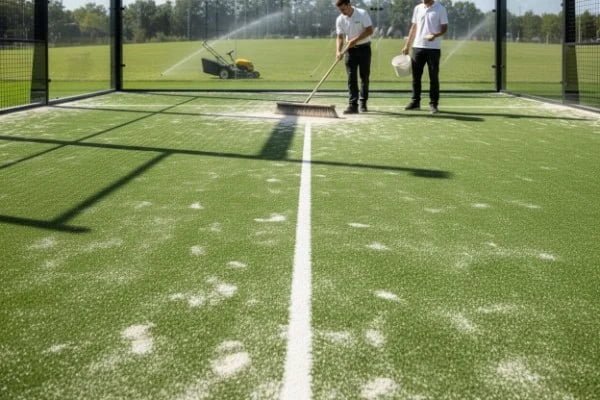
I love artificial turf because it is easy. Maintenance costs are very low. You never have to mow it. You never have to water it. You never have to buy expensive fertilizers. This saves you labor hours and material costs.
However, "low maintenance" does not mean "no maintenance." I want to be honest with you. To make your court last 10 years, you must do a few small things. The most important thing is the silica sand infill. This sand holds the fibers up.
During the 5-10 year lifespan, you only need to pay attention to whether the silica sand is even. Players run and kick the sand around. So, you should check this once a month. Use a brush to level it out. Also, check if it needs to be replenished. Usually, you only need to add more sand once every 12 to 24 months.
Simple Maintenance Schedule:
- Weekly: Remove leaves or trash (5 minutes).
- Monthly: Check sand levels and brush uneven spots (1 hour).
- Every 1-2 Years: Add new sand if needed (Professional service).
Conclusion
Synthetic turf offers superior durability, safety, and consistent gameplay while lowering maintenance costs. Choosing the right Dtex model ensures a profitable, long-lasting investment for your Padel court business.