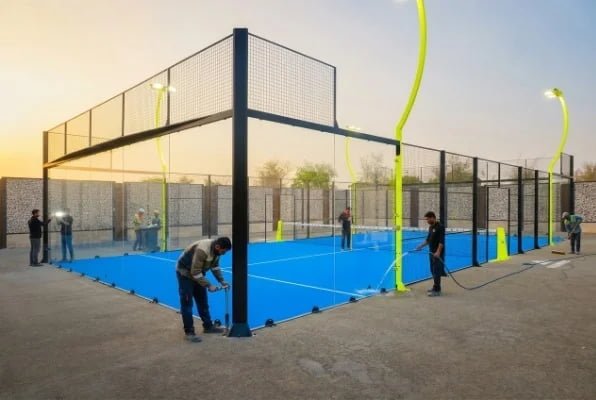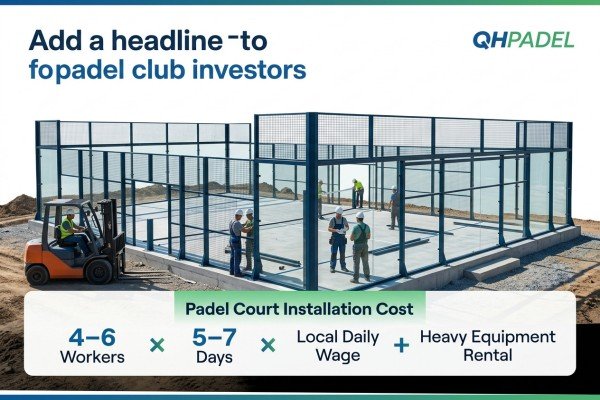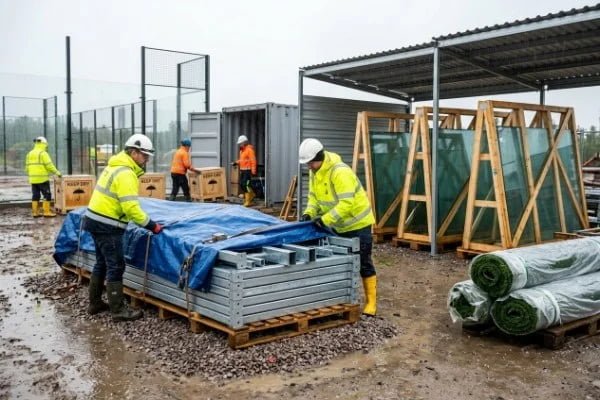

You want to launch a new sports club, but hiring specialized international installation teams to build a padel court can destroy your project budget. You might wonder if a local civil contractor can handle the job without prior padel experience. The uncertainty of botched installations and structural failures keeps many commercial investors awake at night.
Not just anyone can build a padel court, as it is not a backyard DIY project. However, any competent local civil contractor can successfully install one if they have heavy machinery, a certified electrician, and a highly standardized court kit with clear, numbered 3D installation drawings from the manufacturer.
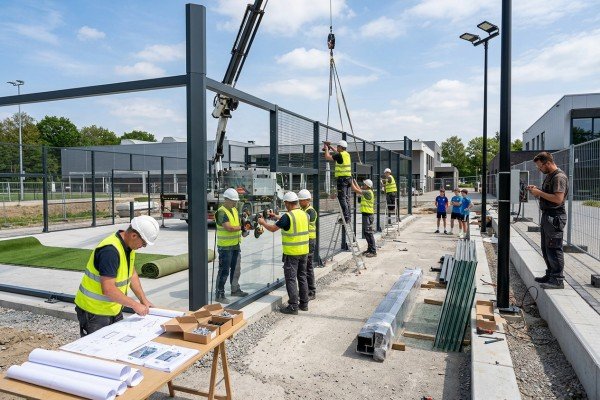
Bridging the gap between an inexperienced local crew and a flawless professional sports facility comes down to smart procurement and project management. Let’s explore exactly how you can safely leverage local contractors for your club.
What makes it possible for local contractors to build a padel court?
Handing a massive pile of unlabelled steel and glass to a local team without proper guidance is a recipe for disaster. Contractors fail when they have to guess on site. They need absolute clarity and precise documentation to succeed.
Local contractors can build a padel court efficiently when the supplier provides a "Lego-like" modular system. This means the kit must include a zero-omission Bill of Materials (BOM), clearly numbered structural components, and detailed 3D installation node drawings to eliminate any guesswork.
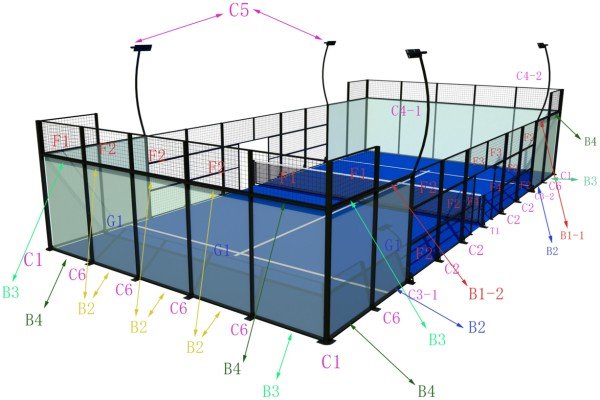
When investors ask me about the installation process, I always emphasize that high-level standardization replaces specialized experience. At QHPADEL, we manufacture over 150 complete padel court systems every month. We primarily export these units to South America, the Middle East, and Southeast Asia. The vast majority of our club operators and real estate clients do not hire dedicated padel court installers. Instead, they use local engineering and civil contractors to control construction costs.
The success of this procurement strategy lies entirely in the supplier’s documentation and packaging. A high-quality padel court system should arrive at your site like a giant, industrial Lego set.
The Role of Detailed Documentation
To prevent expensive delays and contractor frustration, your B2B supplier must provide:
- Comprehensive BOMs: A complete Bill of Materials ensuring zero missing fasteners, screws, or connecting brackets. A missing bolt can stop a job for days.
- Numbered Components: Every single steel post, welded frame netting, and lighting fixture must have a clear physical label that exactly matches the installation manual.
- 3D Node Drawings: Visual, high-resolution representations showing exactly how the structural posts connect to the mesh fences and tempered glass panels.
Managing Your Local Contractor
Your job as the investor or club owner is not to teach your contractor how to build a padel court. Your job is to define the scope of work clearly and provide them with the manufacturer’s technical resources. When a B2B supplier provides clear packing lists, accurate foundation drawings, and responsive online video guidance, a competent local crew can seamlessly execute the assembly.
The key is choosing a supplier whose product is specifically engineered for export and rapid deployment. Avoid suppliers that require your local team to weld, cut, or modify steel components on-site. Everything should simply bolt together.
How critical is the foundation when you build a padel court?
Pouring a concrete slab seems like a simple task for any builder, but a flawed base will ruin the entire project. If the foundation is uneven, structural alignment becomes impossible, leading to costly delays and compromised safety.
The foundation is the ultimate dealbreaker when you build a padel court. The concrete base must maintain a strict flatness tolerance within 2cm. While most standard courts do not require pre-embedded parts, contractors must use steel plates or pipes as shims if the gap exceeds this tolerance.
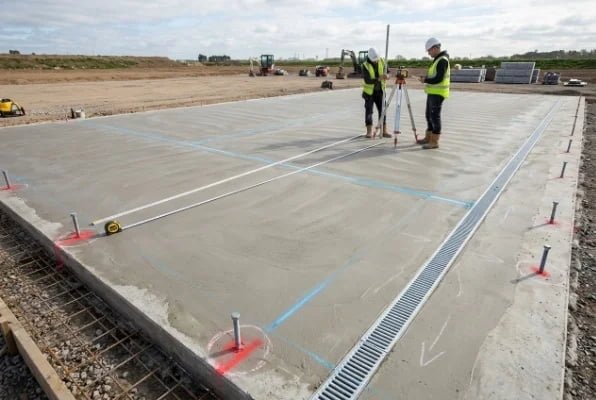
A common misconception among local contractors is that outdoor sports surfaces have a wide margin for error. They absolutely do not. Over my years of guiding overseas clients, I have seen projects completely stall because the local team poured a concrete ring beam with severe undulating slopes.
The Strict 2cm Flatness Rule
When you build a padel court, the heavy steel columns must bolt securely to the concrete foundation using robust expansion bolts. If the surface is uneven, the rigid tempered glass panels will not align properly between the structural posts. This creates dangerous pinch points. We strongly advise our clients to mandate a maximum flatness tolerance of 2cm across the entire installation footprint before the contractor is allowed to proceed.
Troubleshooting Uneven Foundations
If your civil contractor has already poured a base that exceeds the 2cm tolerance, you do not necessarily have to tear the concrete up. Experienced construction crews use a very specific structural workaround to save the project:
- Steel Shims: They insert heavy-duty steel plates under the base plates of the structural posts to level them perfectly.
- Steel Pipes: For larger gaps, they use thick steel pipe sections as load-bearing spacers.
Once the structural posts are perfectly plumb and level, the gaps beneath them must be filled with a high-strength, non-shrink grout to ensure structural integrity and weather resistance.
The Truth About Pre-embedded Parts
For our standard Panoramic and Classic courts, surface-mounting the frame with heavy-duty fasteners is the industry standard. Pre-embedded parts are generally unnecessary unless you are installing a specialized hurricane-resistant court (which accounts for less than 1% of our overall sales). Ensuring your contractor understands this foundation tolerance upfront is the single most important step in protecting your investment timeline.
What are the biggest risks when civil teams build a padel court?
Even with a perfect concrete foundation, installing the playing surface and glass walls carries significant financial risk. One wrong move during lifting can shatter a panel, shutting down your site for weeks while you wait for replacements.
The two highest-risk zones when you build a padel court are handling the tempered panoramic glass and laying the artificial turf. Uneven lifting stress can easily shatter the glass, while improper silica sand filling leads to dead spots and poor ball bounce on the turf.
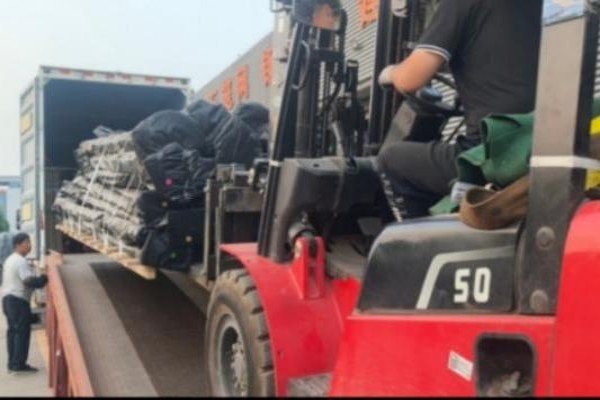
I always warn club investors: do not underestimate the final stages of the installation. While your local civil contractor is perfectly capable of bolting steel frames together, they might lack the finesse required for specialty sports materials. Anticipating these two specific pitfalls allows you to mitigate the risks before they happen.
Risk 1: Shattering Tempered Glass
A standard padel court uses 10mm or 12mm CE-certified tempered glass. For our highly popular Ultra Panoramic Courts, these panels are massive, completely unobstructed, and incredibly heavy. Local crews without glass experience often make the mistake of applying uneven pressure or letting the vulnerable glass edges touch bare steel or concrete.1
To manage this financial risk:
- Mandate that the contractor uses proper mechanical suction lifters.2
- Ensure neoprene or rubber gaskets are always fully installed before the glass ever makes contact with the steel frame.
- Crucial tip: Always purchase a spare parts package (which includes extra glass panels and hardware) with your initial order. Shipping one single replacement glass panel overseas is a logistical nightmare and highly cost-prohibitive.
Risk 2: Poor Ball Bounce
The artificial turf installation is another critical zone that non-professionals often mishandle. We supply high-density, CE-certified artificial turf, but the material only performs well if installed correctly. The turf must be tightly seamed with proper adhesive.
More importantly, the silica sand infill must be distributed evenly. If a non-professional simply dumps the sand onto the court without brushing it in properly in thin, even layers, the court will have "dead spots" where the ball refuses to bounce. We provide our clients with real-time video guidance for this specific step to ensure the local team achieves a tournament-quality playing surface.
What mandatory equipment and personnel do you need to build a padel court?
You might think a few general laborers with wrenches and ladders can put a court together over a weekend. Attempting this without the right heavy machinery and certified tradesmen is dangerous and guarantees a failed municipal inspection.
To safely build a padel court, a local contracting team must have access to heavy machinery, specifically a crane or telehandler, for erecting the steel structure. Additionally, a certified local electrician is strictly required to handle all lighting, wiring, and electrical box installations.
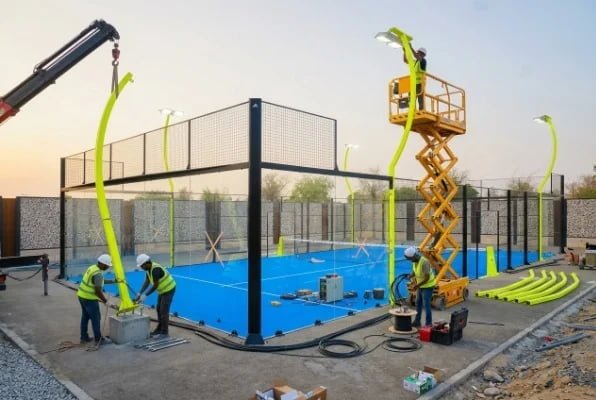
Let me be perfectly clear on this point: building a padel club is a commercial construction project, not a residential DIY task. When selecting a local engineering or civil contractor, you must verify their equipment roster and personnel qualifications before signing any contract.
Heavy Machinery is Non-Negotiable
The structural posts, steel ring beams, and panoramic glass panels are industrial-grade components. They are designed for extreme durability, which means they are heavy.
- Cranes and Telehandlers: Your local team will need a small crane or a heavy-duty telehandler to lift the panoramic glass panels and the upper structural frames safely into position. Attempting to lift these components manually using ropes or sheer manpower is a severe safety hazard.
- Laser Levels: Precision is critical. The team must use professional laser levels to ensure every post is perfectly plumb before final tightening.
The Strict Requirement for Certified Electricians
Every QHPADEL court comes equipped with specialized LED lighting fixtures designed to meet rigorous international standards, including CE and AS/NZS 61347.1:2016.3 However, the physical connection of these lights to your local power grid must be handled by a licensed professional.4
| Installation Task | Required Personnel | Consequence of Failure |
|---|---|---|
| Erecting Steel Frame | Civil Contractor + Crane Operator | Structural misalignment, safety hazards |
| Placing Tempered Glass | Civil Contractor + Suction Lifters | Shattered panels, massive project delays |
| Wiring LED Lights | Certified Local Electrician | Fire hazard, failed municipal inspections |
Never let general civil laborers handle the electrical boxes, circuit breakers, or wiring. A certified local electrician ensures that your court’s high-mast lighting system complies with local municipal safety codes and weather-resistance standards.
Frequently Asked Questions
How long does it take to build a padel court?
With a highly standardized kit and an experienced local civil contractor using the proper lifting equipment, a single court typically takes 3 to 5 days to assemble. This timeframe begins only after the concrete foundation has fully cured.
Do I need a specialized padel court installer?
No. A competent local engineering or civil contractor can successfully install the court. They simply must follow the manufacturer’s 3D installation drawings, adhere to the strict BOM, and utilize a crane for heavy lifting and glass placement.
What happens if a glass panel breaks during installation?
This exact scenario is why purchasing a spare parts package upfront is critical. Shipping a single replacement tempered glass panel internationally is highly expensive and will delay your club’s opening by several weeks.
Can I install a padel court on an existing tennis court?
Yes, you can transition an old court, provided the existing asphalt or concrete surface is structurally sound. However, the existing slab must still meet the strict 2cm flatness tolerance required for safely anchoring the steel columns.
Conclusion
Deciding who will build a padel court for your new club is a major financial decision. You do not need to fly in expensive, specialized international installers. By partnering with a B2B manufacturer that prioritizes extreme standardization, zero-omission BOMs, and clear 3D node drawings, any competent local civil contractor can execute the project. Just ensure your local team respects the 2cm foundation tolerance, utilizes heavy lifting machinery, and hires a certified electrician for the final lighting hookups.
-
"Which factors could cause the tempered glass broken after …", https://www.hhglass.com/news/Which-factors-could-cause-the-tempered-glass-broken-after-installation.html. Materials science studies on tempered glass indicate that while the surface is highly resistant to blunt force, the edges contain high tensile stress, making them extremely vulnerable to shattering upon impact with hard materials. Evidence role: mechanism; source type: research. Supports: the vulnerability of tempered glass edges to impact. ↩
-
"Citation 1187531.015/01001 | Occupational Safety and …", https://www.osha.gov/ords/imis/generalsearch.citation_detail?id=1187531.015&cit_id=01001. Occupational safety guidelines for the glazing industry recommend or require the use of mechanical vacuum lifters to safely transport and position heavy, large-format glass panels. Evidence role: general_support; source type: government. Supports: the safety requirement for using mechanical suction lifters for large glass. ↩
-
"Buy AS/NZS 61347.1:2016", https://www.intertekinform.com/en-au/standards/as-nzs-61347-1-2016-100985_saig_as_as_212176/?srsltid=AfmBOorx05Z8Bxm69LQUIeCUsg2cxLzTasxIiZqCCdoNenZWU_fCwONK. AS/NZS 61347.1:2016 is a joint Australian/New Zealand standard specifying general and safety requirements for lamp controlgear, including those used in LED lighting systems. Evidence role: definition; source type: institution. Supports: the definition and scope of the AS/NZS 61347.1:2016 standard. ↩
-
"Electrical – Overview | Occupational Safety and Health …", http://www.osha.gov/electrical. The National Electrical Code (NEC) and equivalent international electrical safety regulations mandate that connections to the municipal power grid for commercial installations be performed by licensed electrical contractors. Evidence role: general_support; source type: government. Supports: the requirement for licensed electricians to perform commercial grid connections. Scope note: Specific licensing requirements and code enforcement vary by local municipal jurisdiction. ↩