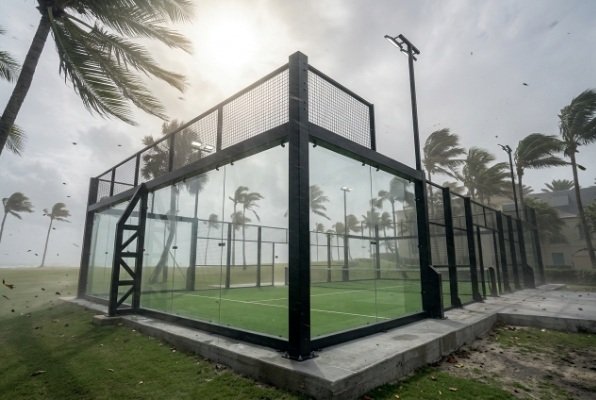
Living in a coastal area brings beauty, but it also brings storms that can destroy your investment overnight. You need a solution that withstands nature’s toughest tests to protect your business.
Hurricane-resistant padel courts, often known as Classic Courts, utilize a reinforced double-column steel structure and EN12150-2 tempered glass to resist high wind loads. They are essential for safety and durability in coastal regions, ensuring your business survives severe weather while minimizing maintenance costs.
I have spoken with many club owners who worry about the safety of their courts during storm seasons. They want to know that their investment is safe when the wind starts to howl. Let me explain why this specific design is the best choice for your peace of mind and your wallet.
What Structural Components Make a Padel Court Truly Hurricane-Resistant?
Standard courts look good, but they often fail under extreme pressure. You need to understand exactly what keeps the structure standing when the wind tries to knock it down.
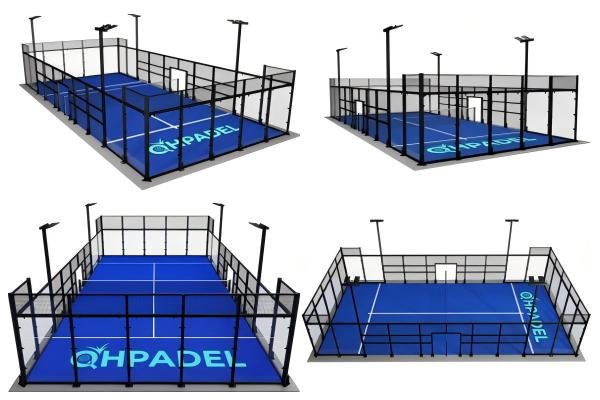
The key lies in the "double column" system, featuring reinforced steel pillars between every glass panel. Combined with 12mm tempered safety glass and corrosion-resistant zinc-rich epoxy primers, this design creates a rigid barrier against deformation and heavy wind loads.
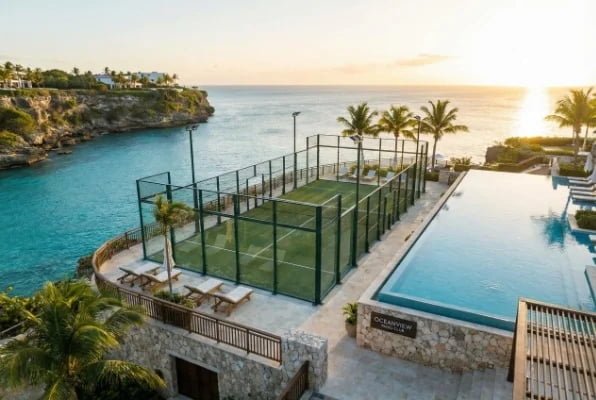
In my years as an engineer, I have learned that physics does not lie. The main difference between a standard court and a hurricane-resistant one is the skeleton. The Hurricane-Resistant "Classic" model features 12 more support pillars than the popular panoramic versions. This is a massive upgrade in stability. Panoramic courts rely heavily on the glass for support, but the Classic court uses a robust metal frame to hold everything in place.
We use corrosion-resistant galvanized steel for these frames. Then, we coat it with an epoxy zinc-rich primer and polyester powder. This prevents rust even in salty, humid air. The glass is also a critical part of the defense. We use 12mm thick tempered glass that meets EN12150-2:2004 standards. It resists impacts of at least 300kg. This combination prevents the walls from bowing or shattering during typhoons. It is the professional standard for safety. If you want a court that lasts, you must look at these specific components.
| Component | Specification | Function |
|---|---|---|
| Support Structure | Double-column Steel System | Provides rigid skeletal support |
| Glass | 12mm Tempered (EN12150-2) | Resists high wind pressure & impact |
| Coating | Zinc-rich Epoxy Primer | Prevents corrosion from salt/rain |
| Fasteners | 304 Stainless Steel | Ensures connections stay tight |
Why is Wind Resistance Critical for the Safety and Longevity of Your Padel Business?
A collapsed court means lost revenue, expensive repairs, and potential lawsuits. Ignoring the risks of wind load puts your entire operation and your customers in serious danger.
Wind resistance prevents structural failure that can injure players or spectators. A sturdy court ensures your facility remains operational after storms, protecting your revenue stream and extending the lifespan of the equipment by reducing wear from vibration and pressure.
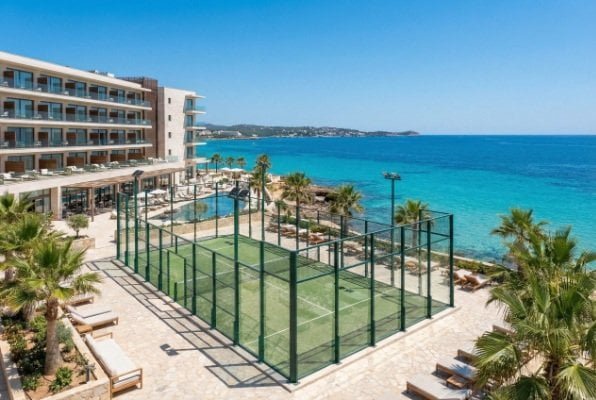
Safety is the top priority for any club owner. I have seen the damage a storm can do to weak structures, and it is heartbreaking. Flying debris and sudden pressure changes are dangerous. In hurricane-prone areas, wind speeds create immense force on court walls. A hurricane-resistant court protects people and property from these invisible threats.
It also protects your long-term investment. Constant wind vibration weakens standard frames over time. This leads to loose screws and cracked glass. The reinforced Classic design minimizes this stress. This means you spend less on repairs. You also face fewer closures due to damage. Your business keeps running while others are forced to close for repairs. It builds trust with your players. They know they are safe in your facility. This peace of mind is worth the investment. You want a business that generates profit, not one that constantly needs fixing.
| Risk Factor | Standard Court Result | Hurricane-Resistant Result |
|---|---|---|
| High Winds | Potential glass breakage | Structural integrity maintained |
| Flying Debris | High risk of damage | Enhanced protection |
| Vibration | Loosens fittings over time | Minimal vibration stress |
| Business Status | Forced closure for repairs | Quick reopening |
Where are Hurricane-Resistant Padel Courts Most Necessary for Commercial Success?
Building in the wrong location with the wrong court type is a recipe for disaster. You must match your equipment to your environment to ensure your club succeeds.
These courts are essential for coastal resorts, islands, and rooftop urban facilities exposed to high winds. They are also the smart choice for open-air sports clubs in hurricane-prone zones where natural windbreaks are missing.
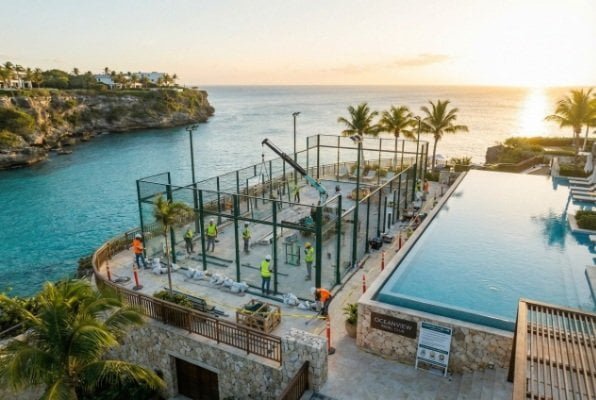
Location dictates your court choice. If you build near the sea, you absolutely need this court. Coastal areas face high winds and salt spray every day. Islands are also vulnerable to typhoons and sudden storms. I also strongly recommend them for urban rooftops. Wind speeds are much higher on top of buildings than on the ground. Standard courts cannot handle that sustained pressure.
Open-air clubs without trees or walls also need them. There is no buffer against the wind in these spots. Investors in these regions must prioritize durability. It ensures your business survives the first storm season. I have helped clients in coastal cities who chose panoramic courts for looks, only to regret it later. Do not make that mistake. If you are in a storm zone, the Classic court is your only real option for commercial success.
| Location | Challenge | Why Choose Resistant Court? |
|---|---|---|
| Coastal Resorts | Salt spray & High winds | Corrosion resistance & Stability |
| Rooftops | Extreme wind loads | Reinforced structure prevents collapse |
| Islands | Tropical storms/Typhoons | Survival during natural disasters |
| Open Fields | No windbreaks | Withstands constant wind pressure |
How Much Does a Wind-Resistant Padel Court Cost Compared to a Panoramic Model?
You might think extra safety breaks the bank and ruins your budget. However, the price difference is actually smaller than the cost of a single major repair.
A hurricane-resistant court typically costs $500 to $1,500 more than panoramic models, depending on customization. While total project costs range from $15,000 to $50,000, this small premium secures the structural integrity needed for harsh climates.
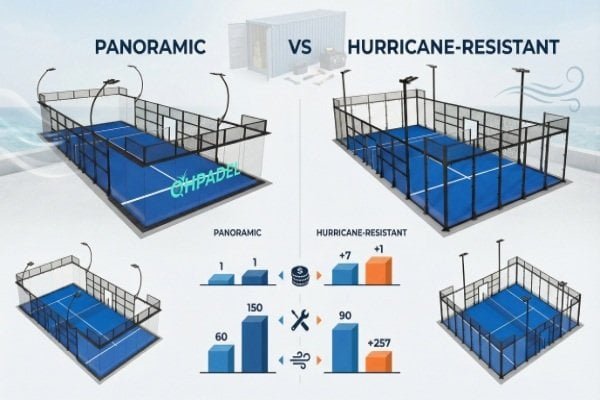
The price tag is always a concern for my clients. But let’s look at the real numbers. The Classic court is actually very affordable. It usually costs only $500 to $1,500 more than panoramic versions. This extra cost covers the additional steel columns and reinforcements. When you consider the total project, it is a small amount.
A full court project costs between $15,000 and $50,000. This includes the ground work, installation, and shipping. The court structure itself is about $6,500 to $9,000 FOB. The extra cost for wind resistance is a tiny fraction of the total budget. Think of it as a one-time insurance premium. You pay a little now to avoid paying for a whole new court later. It is a smart financial move. You sacrifice a little bit of the "open view," but you gain years of worry-free operation.
| Cost Item | Panoramic Model | Hurricane-Resistant (Classic) |
|---|---|---|
| Court Structure | Base Price | +$500 to $1,500 |
| Maintenance | Higher (vibration checks) | Lower (rigid structure) |
| Lifespan | Standard | Extended (10+ years) |
| ROI | Good in calm areas | Best in windy areas |
Conclusion
Choosing a Hurricane-Resistant Classic Court is the smartest investment for windy regions. It ensures safety, lowers maintenance costs, and protects your business for years to come.