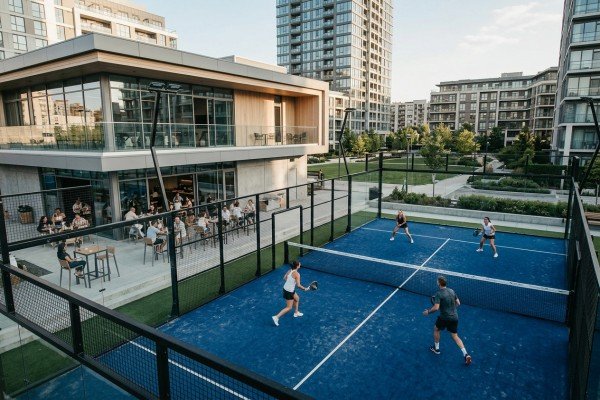

Many investors ask me why are padel courts so expensive compared to traditional tennis or basketball courts. You secure a great piece of land, plan a budget, and suddenly realize the equipment quotes are much higher than simply laying down acrylic and painting lines. If you misunderstand what goes into this infrastructure, your club’s profitability and safety are at serious risk.
Padel courts are expensive because you are not just paving a ground; you are constructing an engineered micro-building. The costs are driven by heavy steel structures, 12mm safety-certified tempered glass, professional-grade artificial turf, and industrial-strength lighting, all designed to withstand human impact and high wind loads.
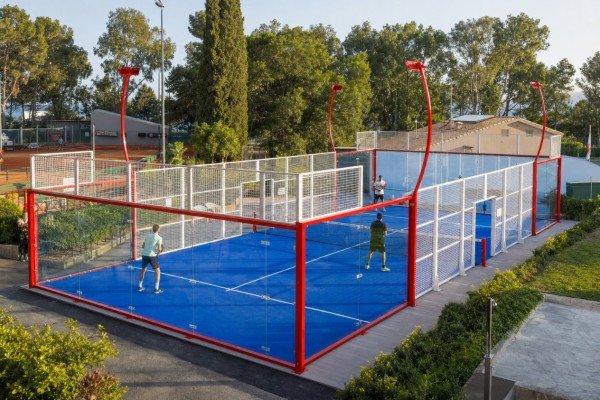
To understand the true padel court cost, we need to look beyond the surface. Let us break down the hidden engineering, structural safety requirements, and lifecycle risks that dictate the price of a professional court installation.
Are we paving a court or constructing a micro-building?
The most common mistake I see new club operators make is treating padel exactly like tennis. They budget primarily for surface materials and basic chain-link fencing, only to be shocked by the massive steel and glass requirements in the manufacturer’s quote.
A tennis court relies heavily on ground preparation and surface materials. A padel court requires erecting a massive steel cage with integrated tempered glass and structural posts that must endure human impact, severe weather, and dynamic ball rebound, making it structurally equivalent to a small building.
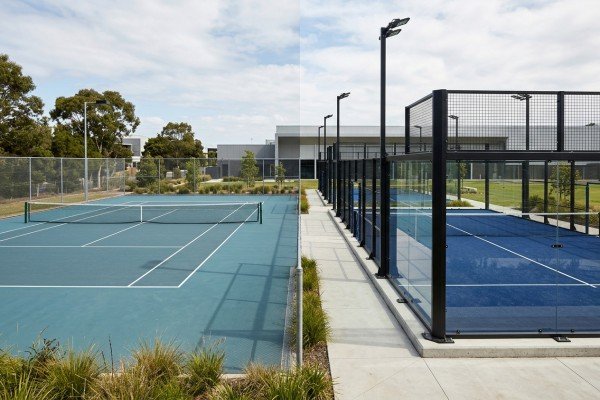
When you ask why are padel courts so expensive, you must shift your mindset from "ground paving" to "vertical construction." In my years of manufacturing and exporting padel equipment globally, I have seen many buyers severely underestimate the structural forces at play.
A standard panoramic padel court features an extensive Bill of Materials (BOM). It involves welded frame netting, thick structural posts, and thousands of kilograms of tempered glass. All of these components must align perfectly.
Consider the fundamental differences between traditional sports courts and padel courts:
| Feature | Traditional Tennis Court | Professional Padel Court |
|---|---|---|
| Primary Structure | 2D horizontal surface | 3D vertical engineered structure |
| Enclosure | Lightweight boundary fencing | Heavy structural steel and safety glass |
| Wind Load | Negligible impact on court | High wind resistance required for glass panels |
| Foundation Needs | Flat, level concrete/asphalt | Reinforced concrete ring beams to anchor heavy steel columns1 |
| Player Interaction | Players stay on the surface | Players physically collide with the glass and steel walls |
Engineering contractors understand that installing a padel court requires industrial-grade tolerances. The structural accuracy of the pre-embedded parts must be perfect. Component numbering must be clear, and every fastener must be present. You are paying for a complete, highly engineered system, not just a patch of artificial grass. This massive physical footprint naturally dictates a higher upfront cost.
How do structural safety and materials impact padel court costs?
You might receive two quotes that look identical on paper but have vastly different bottom-line numbers. Choosing the cheaper quote without verifying the material grades often leads to shattered glass, bending frames, or torn artificial turf within the first year of operation.
High-quality padel courts use CE and AS/NZS certified tempered glass, robust steel frame structures, and high-density artificial turf. These certified materials ensure player safety, provide consistent ball bounce, and require precise manufacturing tolerances, which naturally increases the initial procurement costs.
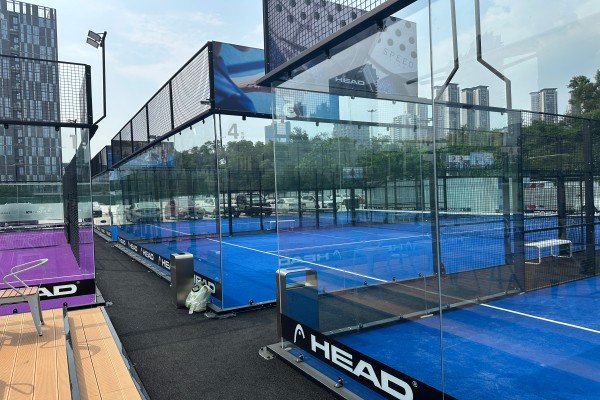
To truly grasp why are padel courts so expensive, you have to evaluate the specific materials that ensure safety and playability. Never look at material specifications in a vacuum. A club owner must tie these specifications directly to player experience and investor risk.
Safety-Certified Tempered Glass
Padel relies on the walls for gameplay. Players routinely crash into the glass at high speeds. If a supplier uses cheap, uncertified glass, a shatter event can cause severe injury. Professional courts utilize 10mm or 12mm tempered glass certified to CE, AS/NZS 2208:1996, or AS/NZS 4666:2012 standards. This glass undergoes rigorous bulletproof and impact testing. Quality glass ensures a uniform ball rebound and keeps your players safe.
Heavy-Duty Steel Frame Structures
The steel skeleton holds the entire micro-building together. Our factory operates under ISO9001 certification to ensure structural integrity. Cheaper courts use thin-walled steel pipes that warp under tension or wind pressure.2 When a frame warps, the glass panels lose their exact fit, leading to rattling noises during play or sudden stress fractures in the glass.
Professional Artificial Turf
The turf is the point of contact for every movement. We provide CE and RoHS certified artificial turf with specific Dtex and density ratings designed for padel. Standard landscape grass will flatten, become slippery, and ruin the game. Proper padel turf ensures optimal sand distribution, predictable ball speed, and crucial joint protection for the players.
Why does environmental customization drive the initial investment up?
Building a club by the sea or on a downtown rooftop sounds incredibly lucrative. However, standard equipment will rust rapidly in salty air or collapse under high winds, turning your premium location into a financial disaster.
Environmental customization increases costs because it requires upgraded materials like zinc-rich epoxy primers for coastal anti-corrosion, or hurricane-resistant structural designs for rooftops. These engineered upgrades ensure the court survives extreme local climates, turning a standard setup into a highly specialized asset.
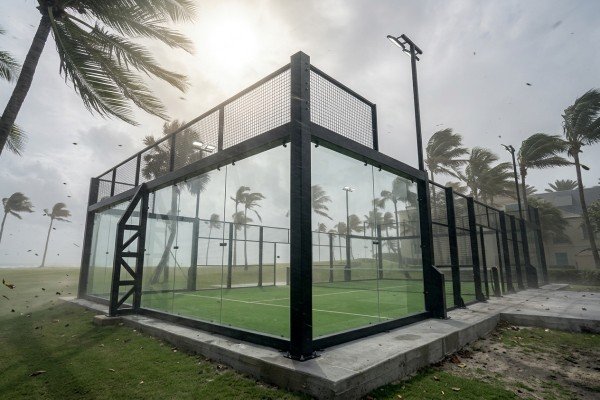
Another key reason why are padel courts so expensive is the absolute necessity for site-specific customization. A B2B manufacturer cannot sell you a "one-size-fits-all" product if you want long-term success.
Defeating Coastal Corrosion
For club operators near the ocean, standard powder coating is a death sentence for a steel frame. The high salinity in the air will cause rust to eat through structural joints within months. To survive this environment, manufacturers must apply hot-dip galvanizing and finish with specialized zinc-rich epoxy primers. This multi-layer anti-corrosion treatment demands more factory time, higher material costs, and strict quality control. The initial cost increases, but this upgrade extends the lifespan of your court from a risky 3 years to a stable 10+ years.
Surviving Rooftop Wind Loads
Rooftop installations offer incredible commercial real estate value, but they face intense wind loads. Standard panoramic courts might fail under these conditions. We must engineer Hurricane Resistant Courts or utilize heavier structural posts to guarantee stability. The glass panels act like sails in the wind. The structural engineering required to keep those panels secure at high altitudes is complex and requires thicker, heavier steel.
These environmental upgrades act as ROI multipliers. By spending more upfront on proper climate adaptation, investors unlock high-rent premium locations that generate significantly higher revenue over a much longer period.
What is the true cost of cheap alternatives in padel club operations?
Saving money on initial procurement feels like a massive win for your budget spreadsheet. But when a steel joint rusts through or a glass panel shatters during a weekend tournament, the true cost of a cheap court is painfully revealed.
Cheap padel courts lead to severe downtime and maintenance traps. When non-compliant glass breaks or frames rust, clubs face facility closures, expensive emergency repairs, canceled matches, and irreversible damage to their brand reputation, destroying their long-term return on investment.
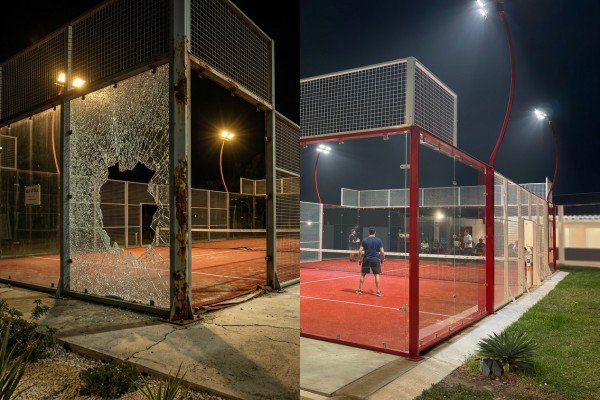
Many buyers ask why are padel courts so expensive, but they fail to calculate the cost of a failed cheap court. I always warn equipment distributors and club owners about the "downtime and maintenance trap."
Imagine a scenario where a non-galvanized structural post rusts and bends. It is not just a simple repair bill. The structural shift causes a glass panel to shatter. Now, your court is entirely out of commission.
Here is what happens next:
- Revenue Loss: You must cancel peak-hour bookings and refund angry members.
- Reputation Damage: Players talk. If your club feels unsafe or looks dilapidated, players will migrate to your competitors.
- The Replacement Nightmare: If you bought from a cheap standard-part trader, their replacement parts will likely not match the specific hole positions of your original court.
Professional B2B manufacturers provide reliable logistics packaging, spare parts packages (especially for glass and wear-and-tear items), and detailed installation drawings. A cheap court lacks this traceability. The money you saved on day one will quickly evaporate when you are forced to close a court for three weeks waiting for mismatched parts to arrive. Long-term profitability requires structural stability, which is why premium courts command their price.
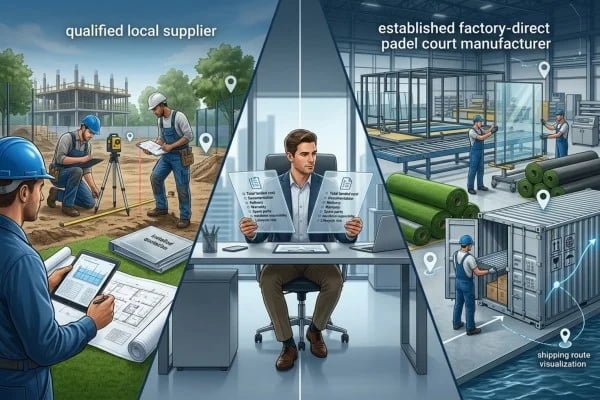
How can buyers filter out unqualified suppliers during procurement?
The global market is flooded with traders claiming to sell professional courts. If you do not know how to test their technical capabilities, you risk buying mismatched, poorly engineered components disguised as a premium system.
To filter out unqualified suppliers, buyers should ask for climate-specific anti-corrosion or wind-resistance plans and verifiable test reports. This instantly separates authentic manufacturers who understand structural engineering from simple traders who only sell generic, off-the-shelf standard parts.
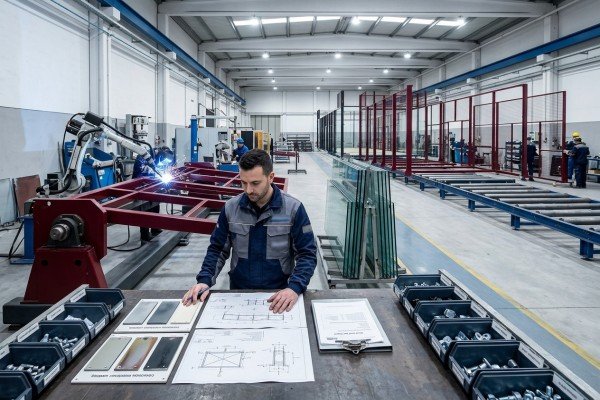
As a buyer, understanding why are padel courts so expensive gives you leverage during the procurement phase. You need to identify whether you are speaking to an authentic factory or a middleman pushing generic parts.
I always advise buyers to use the "Killer Question" during negotiations. Ask the supplier: "Please provide the anti-corrosion and wind-resistance custom plan, alongside the test reports, tailored to my local climate."
An unqualified standard-part trader will freeze. They will either ignore the climate aspect or send you a generic brochure. An experienced manufacturer will immediately discuss primer thickness, galvanization metrics, foundation load requirements, and CE or AS/NZS compliance documents.
Public sectors, institutions, and civil contractors require comprehensive documentation for bidding and site preparation. You should demand:
- Clear Foundation Drawings: Specific tolerance requirements for concrete and pre-embedding.
- A Complete BOM: Zero missing parts to meet tight construction deadlines.
- Traceable Certifications: Real documents (like ISO9001, CE, AS 61347.2.13:2018 for lighting) that buyers should independently verify.
- Clear After-Sales Responsibility: A defined line between material defects and installation issues.
When you procure a court that meets all these criteria, the initial expense transforms into a secure, long-term commercial asset.
Frequently Asked Questions
How long does a professional padel court last?
A well-engineered padel court can last 10 to 15 years or more if properly maintained. The lifespan depends heavily on selecting the right environmental customizations, such as anti-corrosion treatments for coastal areas, and adhering to strict maintenance manuals.
Can I install a padel court on an existing tennis court?
Yes, but you cannot simply bolt it into the existing thin surface. You must verify the foundation weight capacity and typically pour new reinforced concrete ring beams to safely anchor the heavy steel structures and glass panels.
What is the standard lead time for producing a padel court?
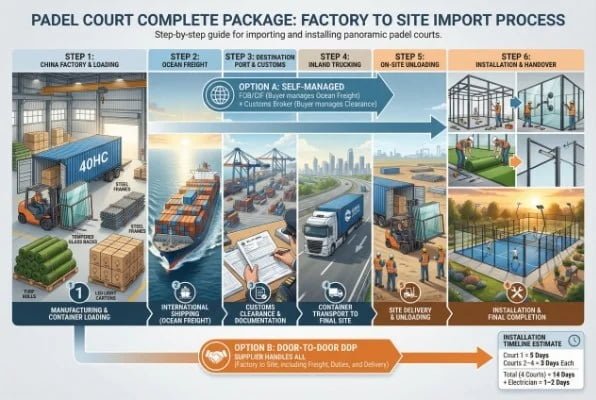
Production times vary based on volume and customization. At a professional factory, two courts generally take 20 days, four courts take 20-25 days, and larger orders of standard models take no more than 30 days. Custom designs may take up to 35 days.
Do padel courts require specialized lighting?
Yes. Padel courts use specialized LED lighting systems certified to standards like CE and AS/NZS 61347.1:2016. The lighting must provide uniform brightness without blinding the players when they look up to hit lobs or track fast rebounds off the glass.
Conclusion
Understanding why are padel courts so expensive comes down to recognizing the complexity of the product. You are investing in a structurally engineered, safety-certified micro-building designed to endure heavy impacts and harsh environments. By prioritizing structural safety, verified materials, and climate customization, you avoid the devastating costs of operational downtime and protect your club’s long-term ROI.
-
"Padel Court Construction: Foundation Guide", https://www.padelcreations.com/the-foundation-for-your-paddle-court/. Details the foundation specifications for heavy steel sports enclosures, emphasizing the use of reinforced concrete ring beams to distribute vertical and lateral loads. Evidence role: general_support; source type: institution. Supports: The necessity of reinforced concrete ring beams for anchoring heavy sports enclosures.. ↩
-
"Static behavior of large-diameter stiffened steel tubes for …", https://www.sciencedirect.com/science/article/abs/pii/S0263823122002105. Analyzes the structural failure modes of thin-walled tubular steel under lateral wind loads and dynamic tension, highlighting the risk of warping. Evidence role: mechanism; source type: paper. Supports: The susceptibility of thin-walled steel structures to deformation under lateral wind loads.. ↩